Tucson Botanical Gardens Young Naturalist’s Field Journal

Teaching art workshops at the Tucson Botanical Gardens for the past five years has been a pleasure. When Laura, the Youth Education Coordinator, asked me to help create a youth field journal, I was honored and excited. After many Zoom meetings and long days/nights of work, we made a booklet to help young visitors enjoy, learn, and interact in the gardens. Below is a brief overview of how we did it. Scroll down for work in progress images and details of spreads from the booklet.
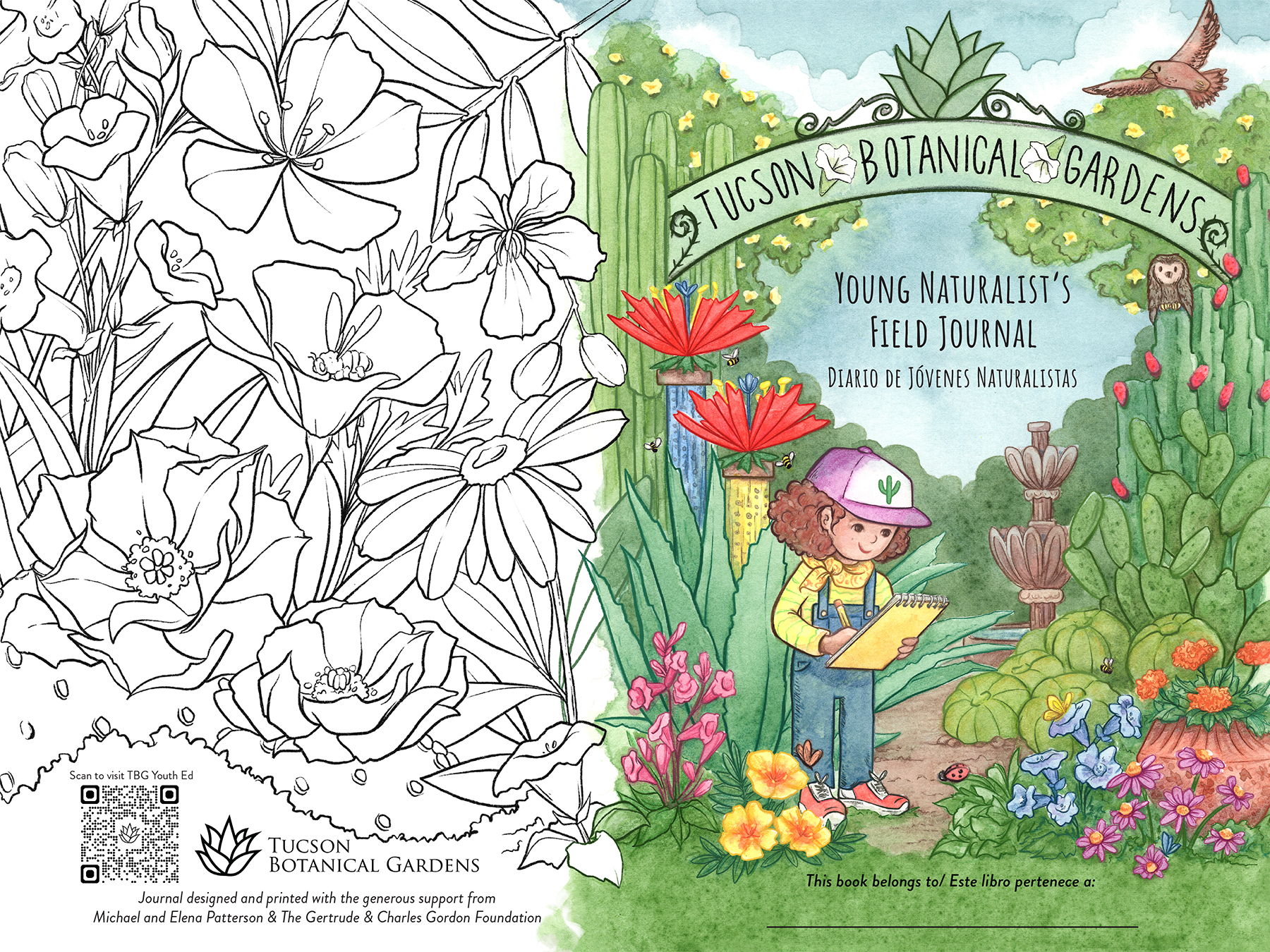
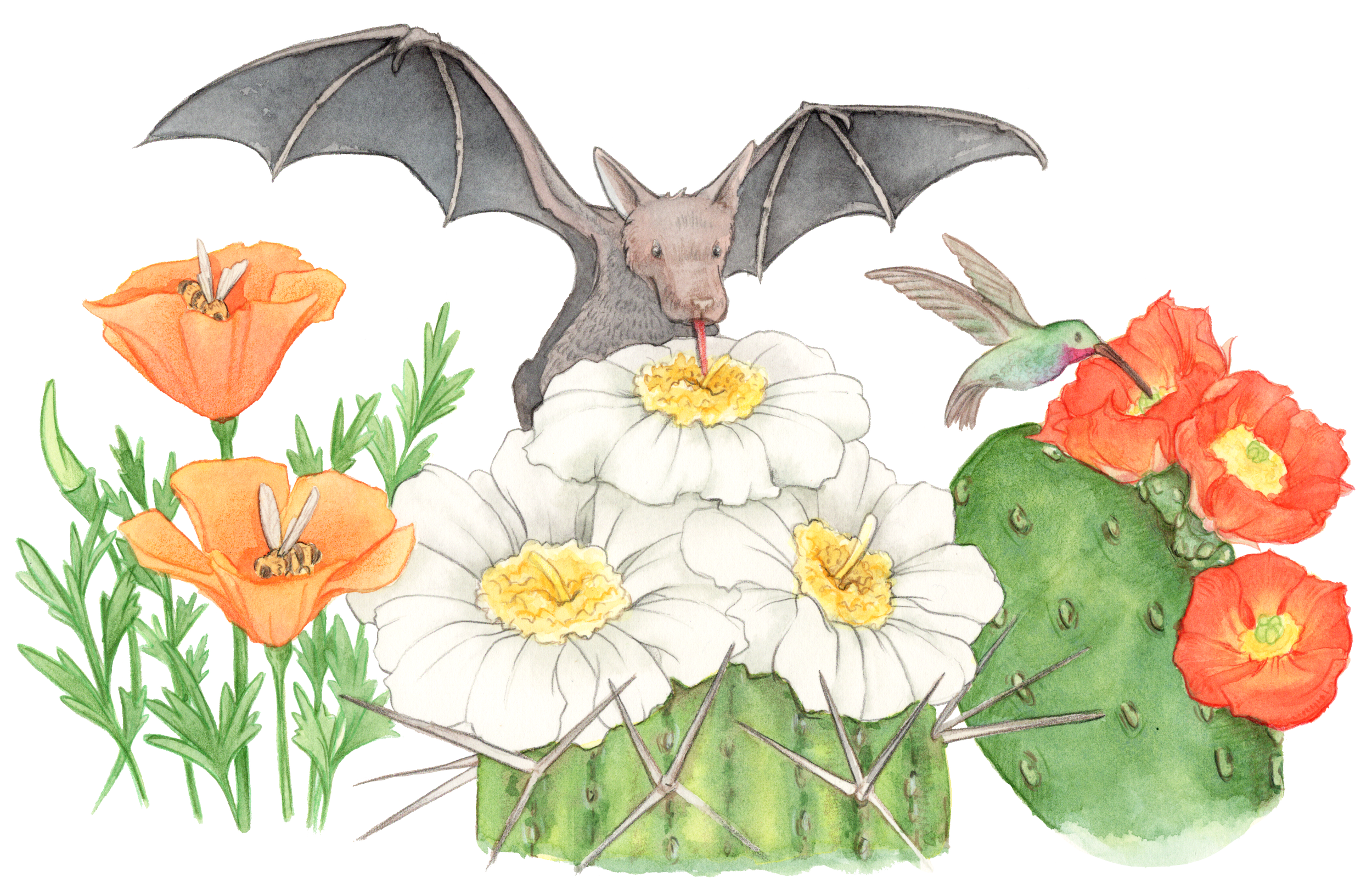
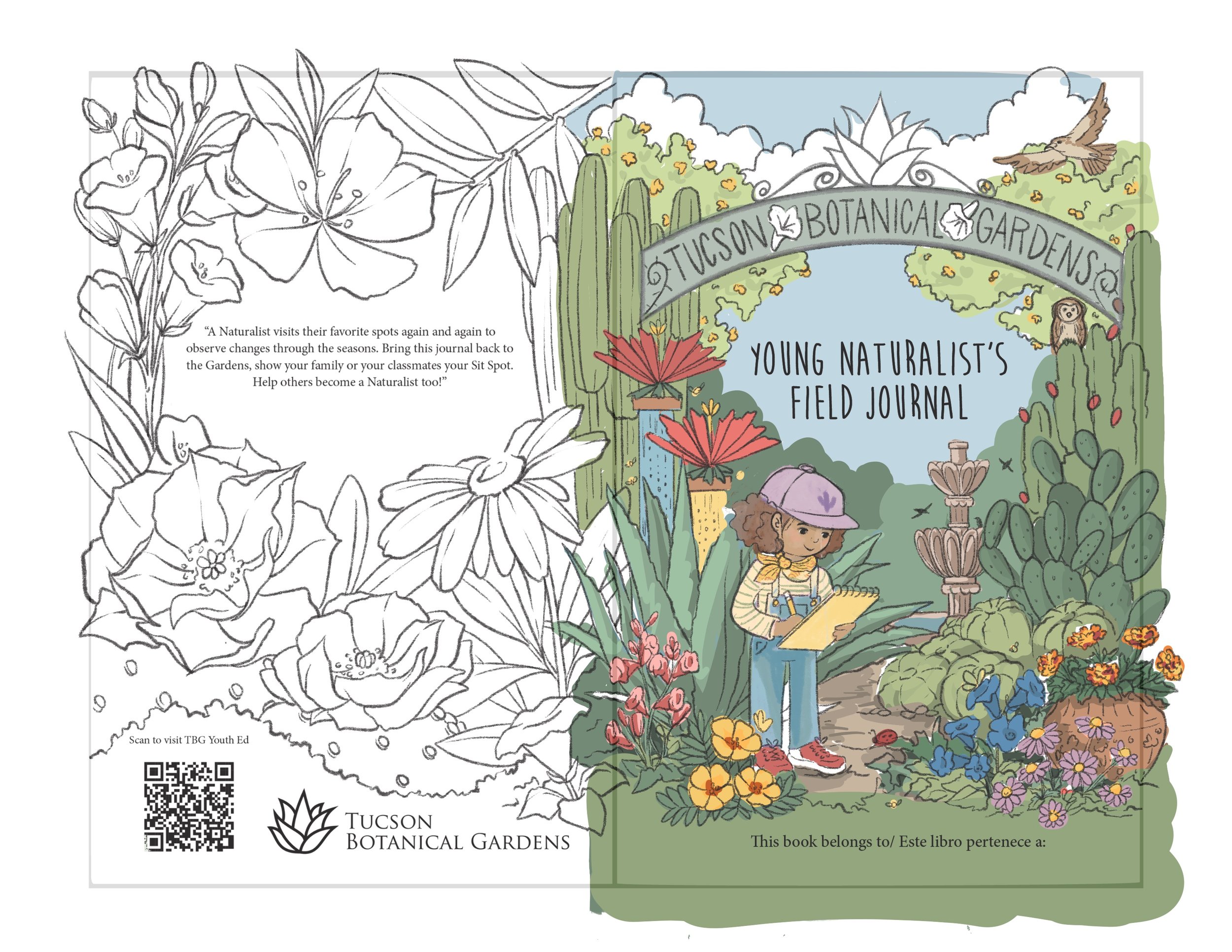
Cover Spread - Giving a fun colorful image on the front page while allowing opportunity for a coloring page on the back.
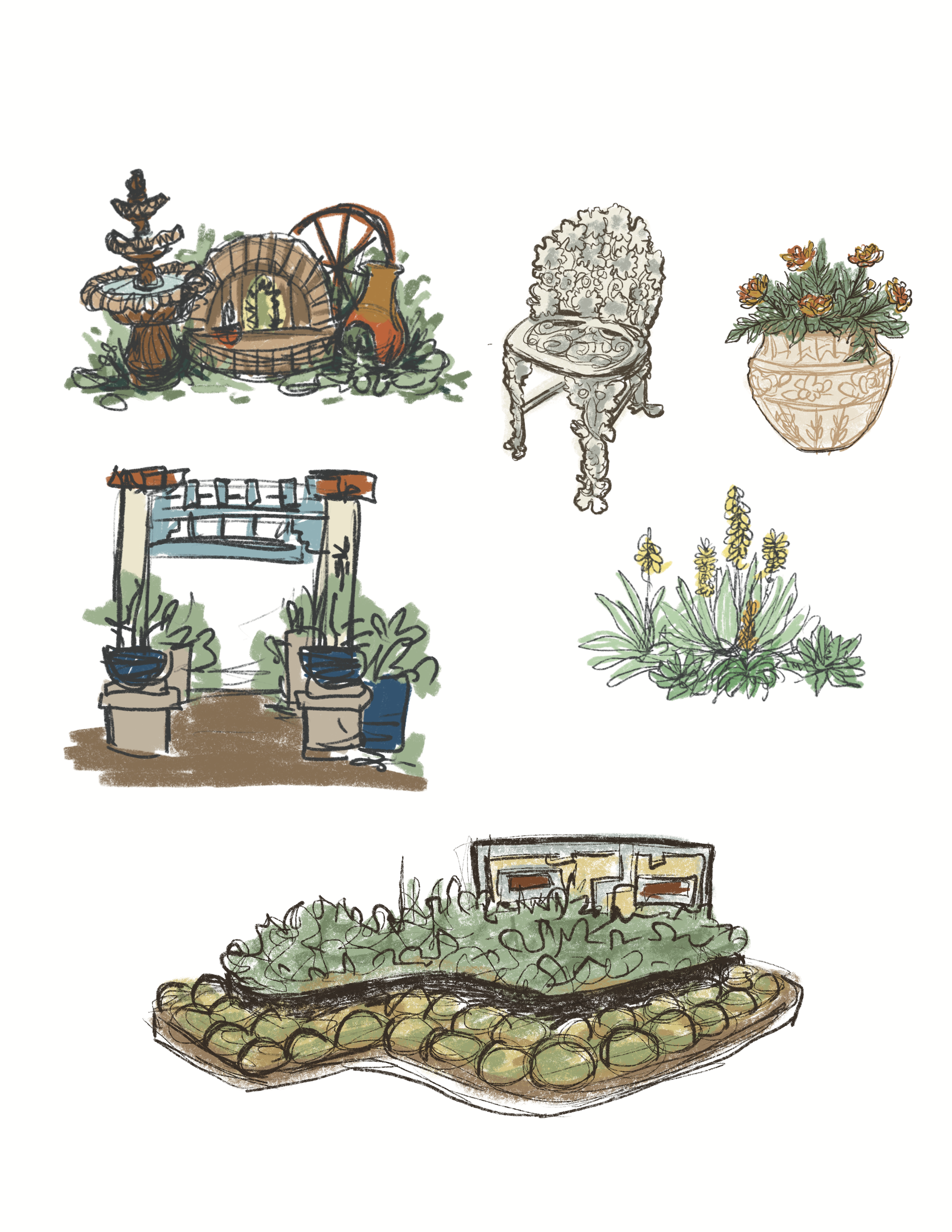
Phase One: Brainstorm and Sketches
The project began with Laura’s idea. She provided English and, via a translator, Spanish text. I collaborated with JP Designs to layout the booklet. In phase one I produced multiple sketches and concepts to set the vibe and direction, blending the client’s requests with my own style. This exploratory phase allowed experimentation while staying within project constraints and was refined through client meetings. Below are a few selected sketches.
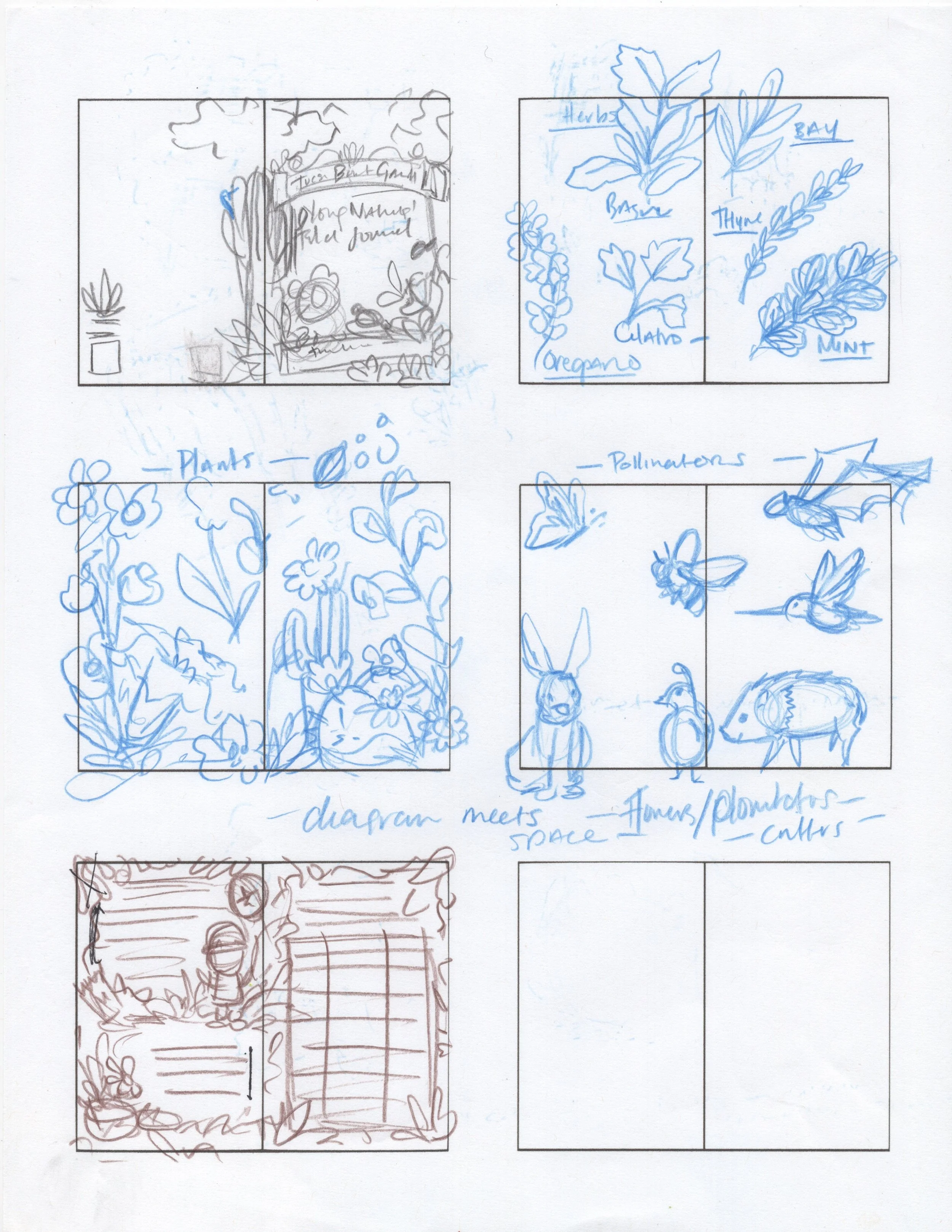
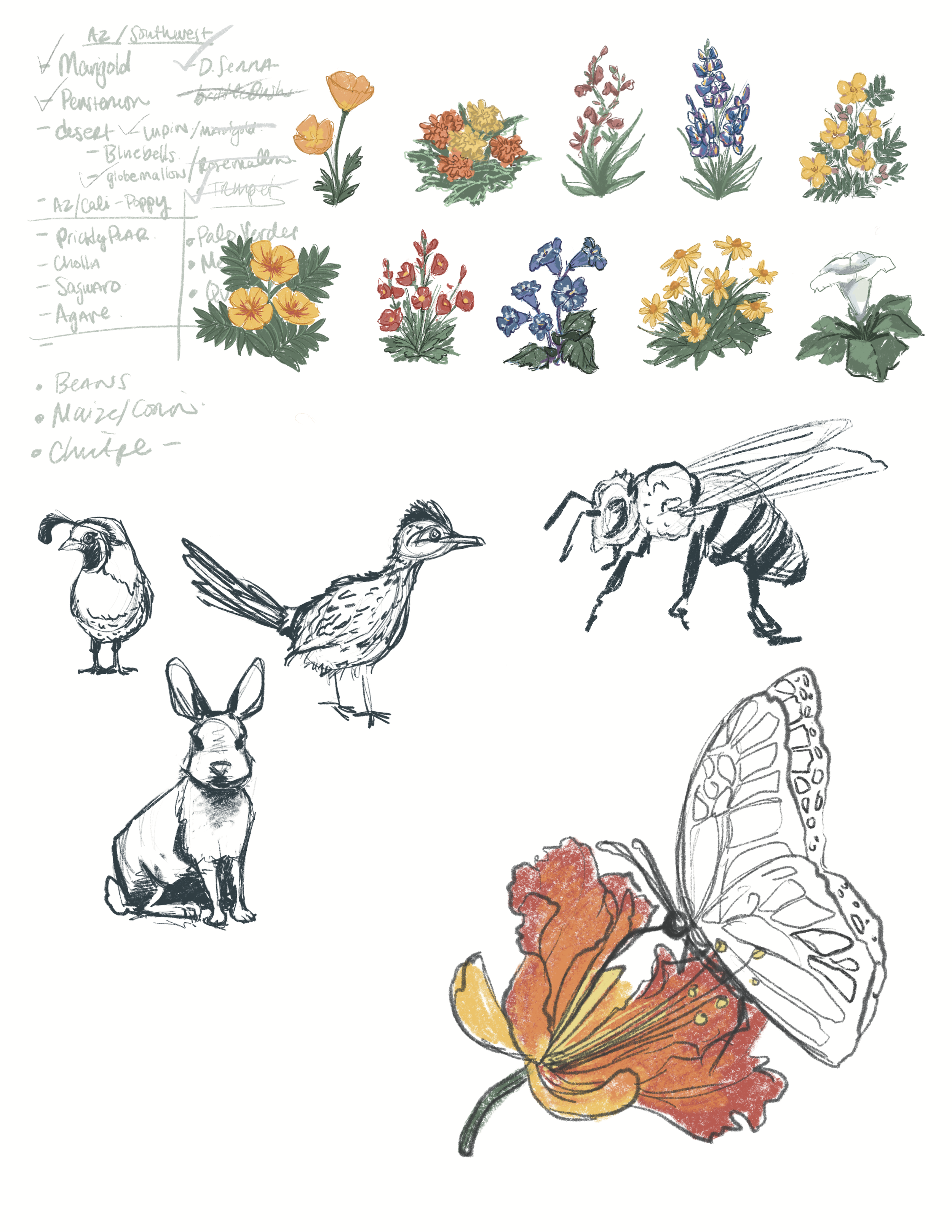
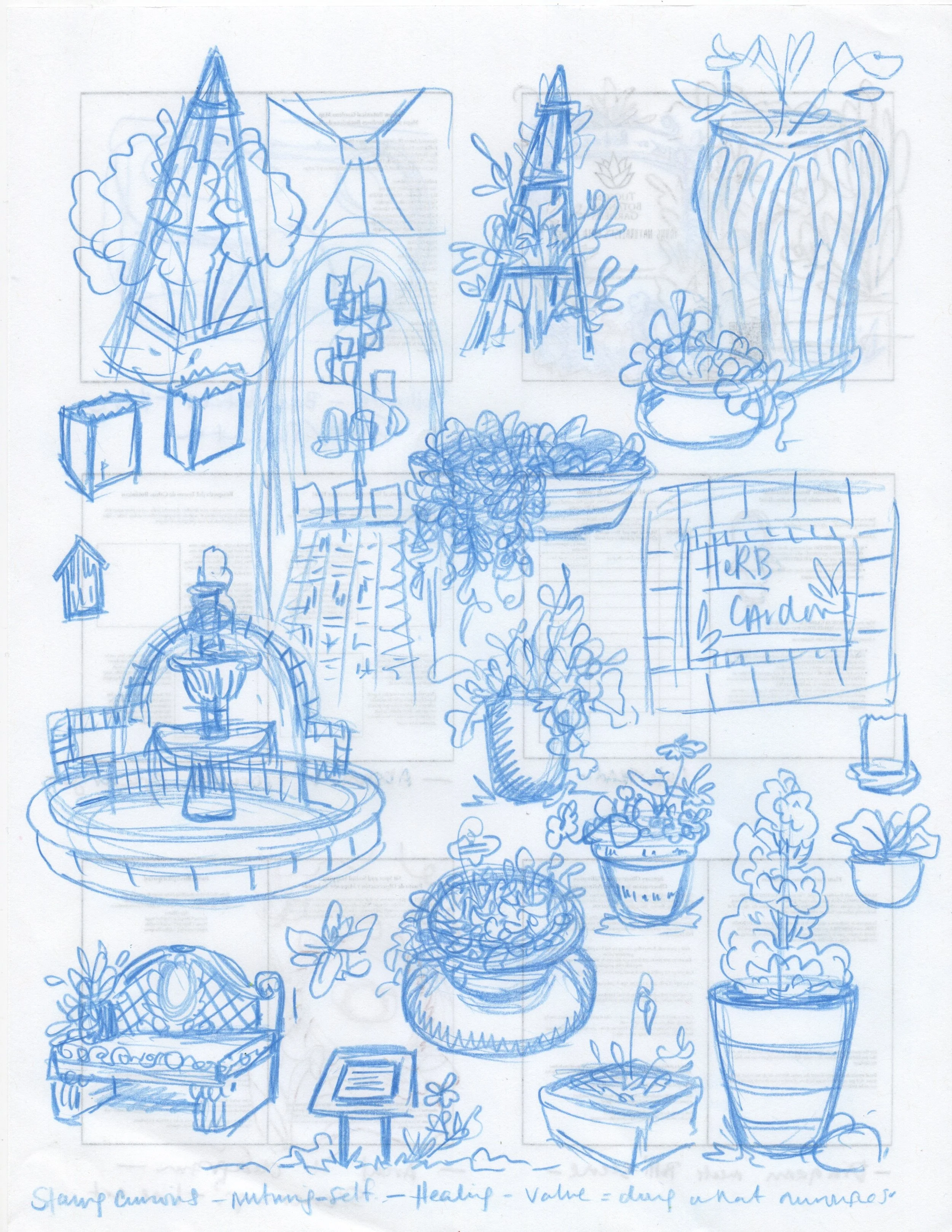
Phase Two: Refine and focus
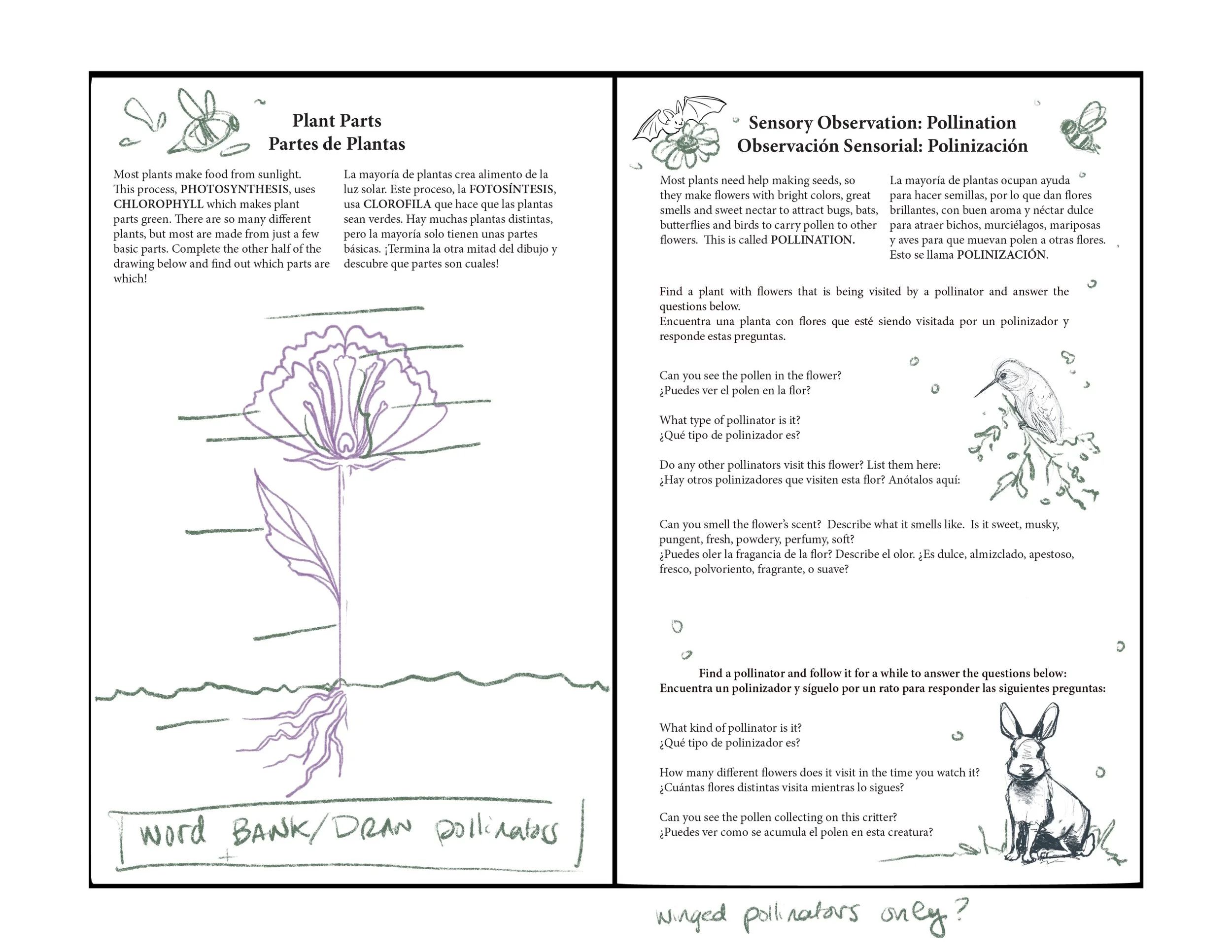
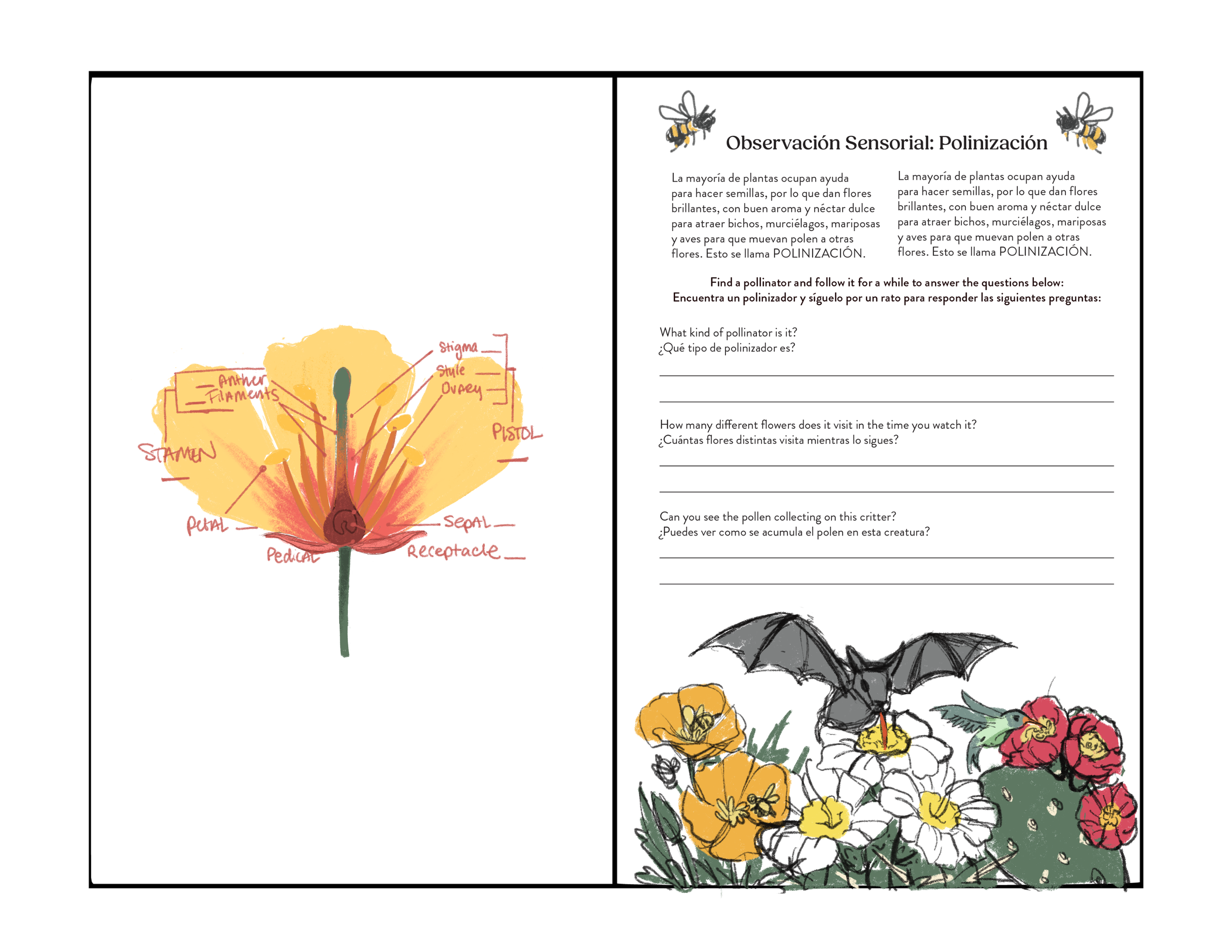
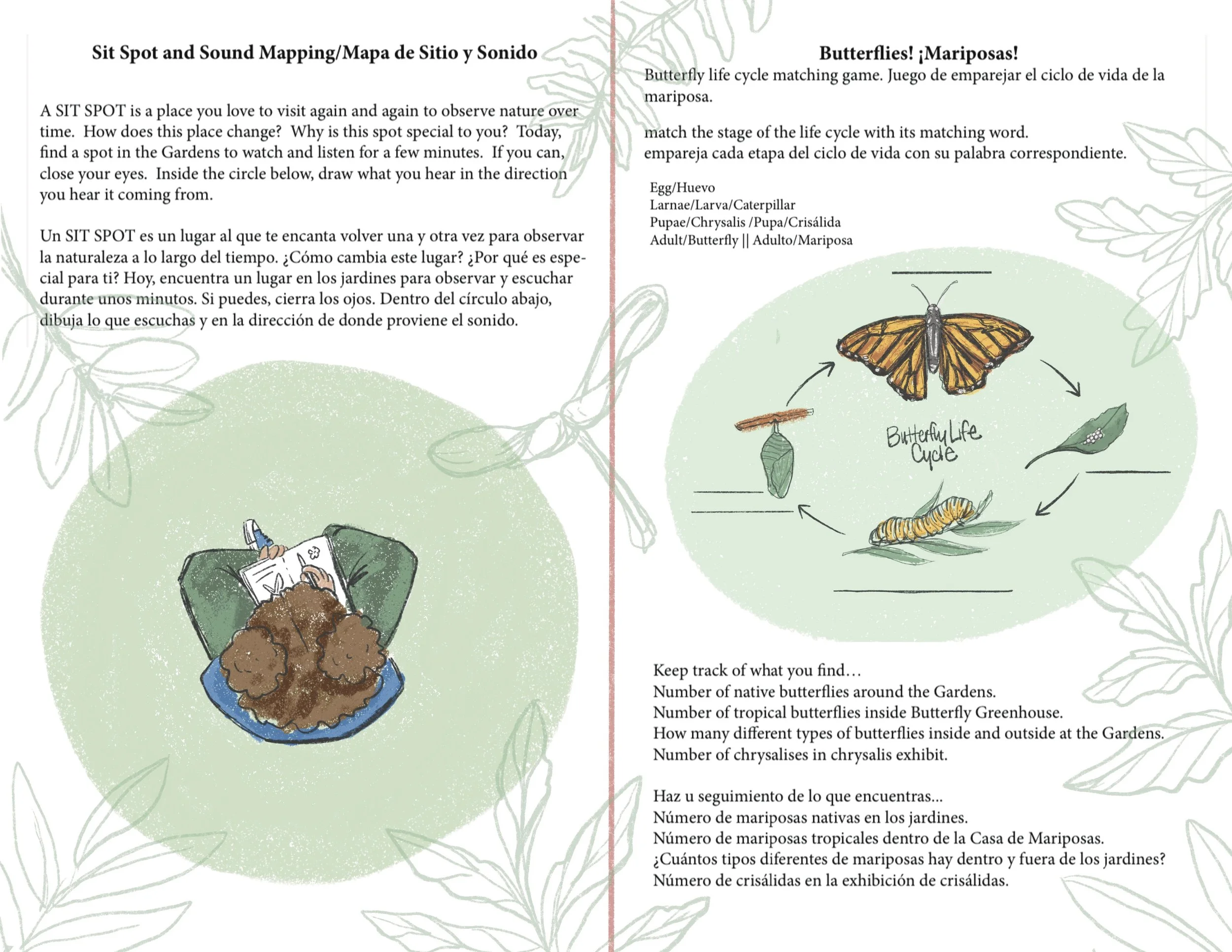
After we agreed on the concept, I created rough spot and full-page illustrations and sent them to Laura for revisions and approval. Once ideas were narrowed, we refined and troubleshoot illustrations to finalize them before phase three, minimizing major revisions. Below are the sketches and revisions from this phase.
Phase Three: Application and Final Renderings
I refined approved sketches into clean watercolor renderings, scanned and cleaned them in Photoshop, and added outlines in Procreate. Some pieces were fully digital; others combined watercolor and colored pencil. JP placed the illustrations into the booklet; after several drafts we received final approval from TBG and Laura. TBG approved a printed proof, printed over a thousand copies, and will distribute the booklet long-term.
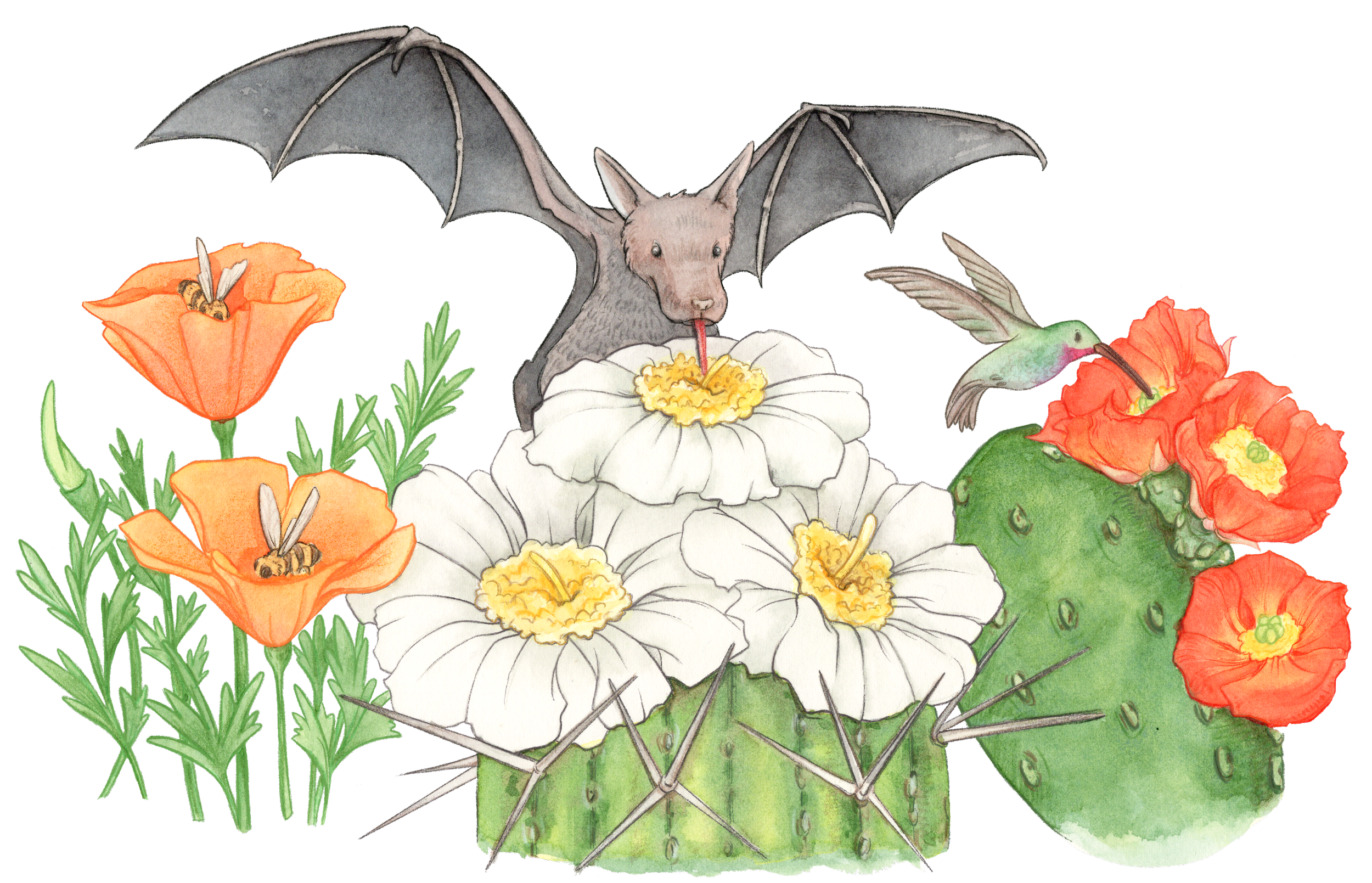
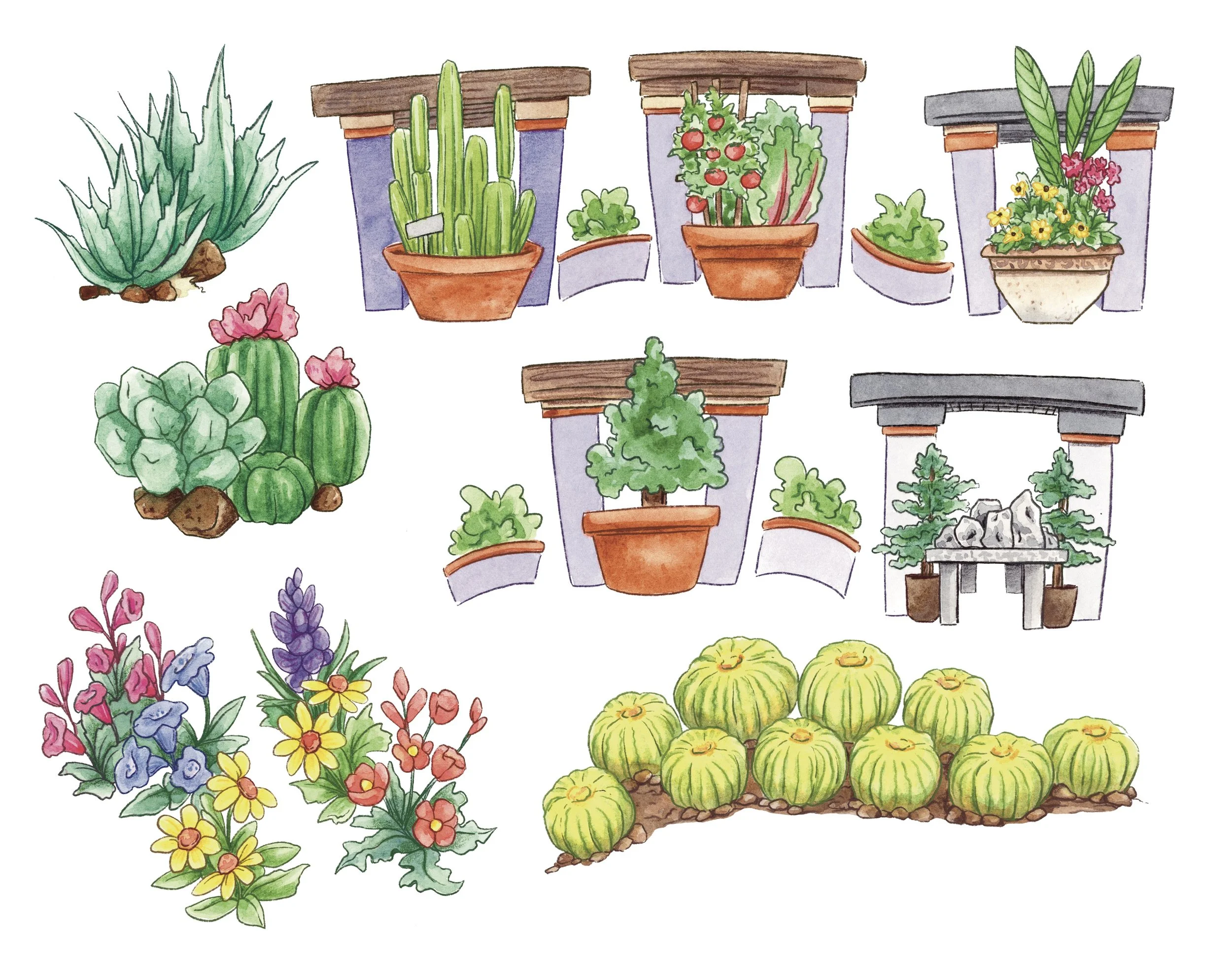
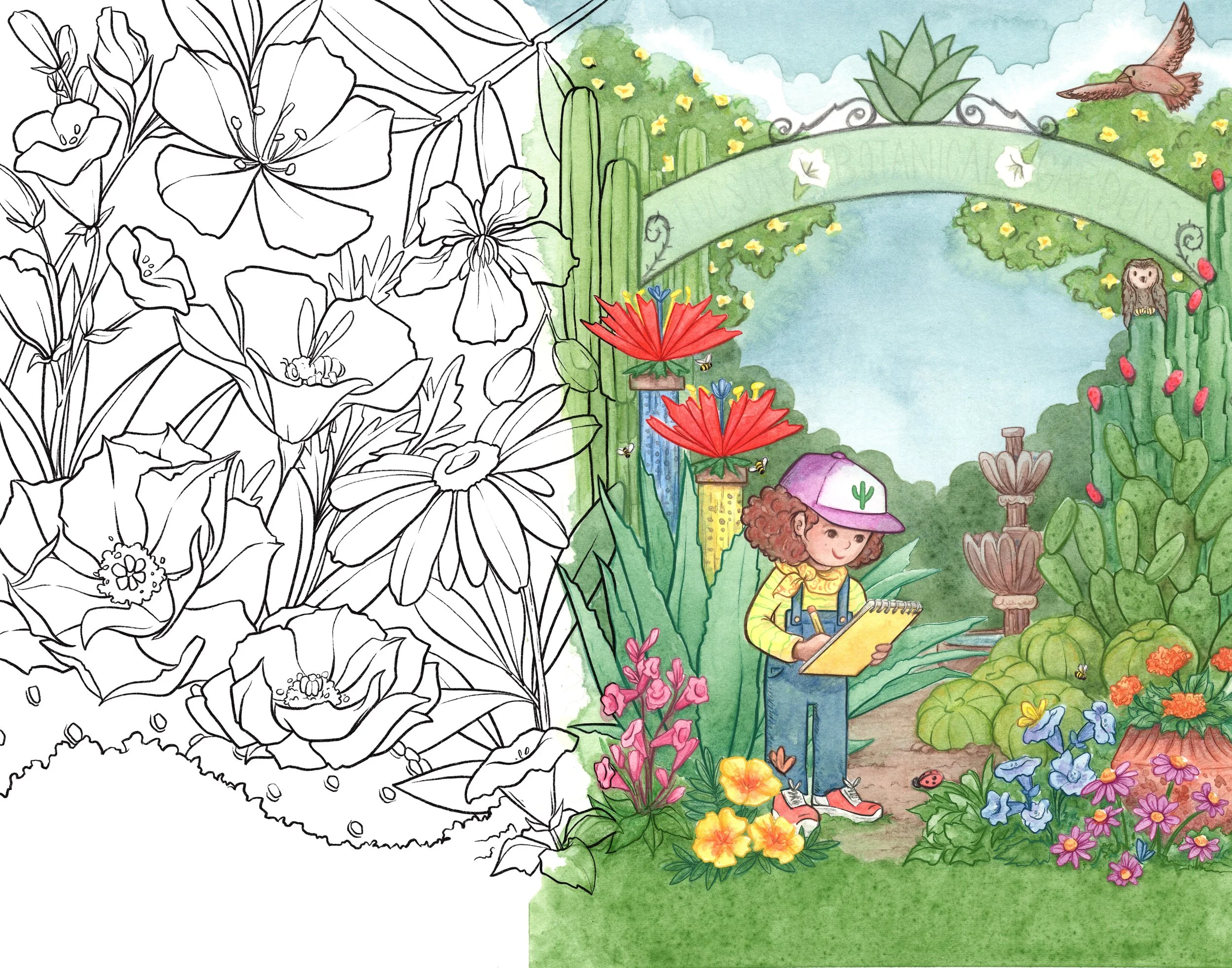
Below are watercolor spot illustration scans alongside their digitally edited illustrations.
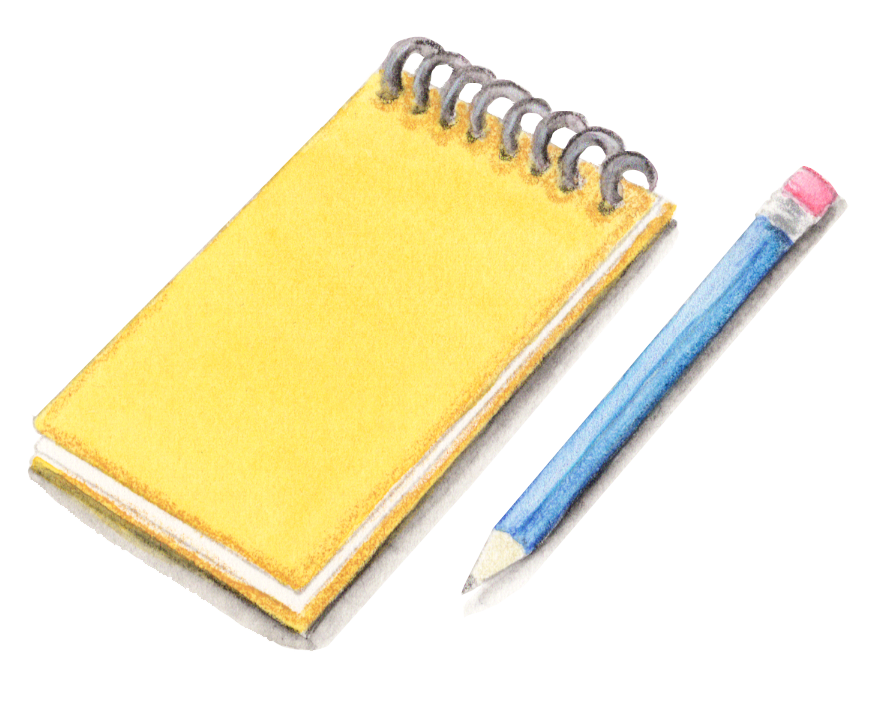
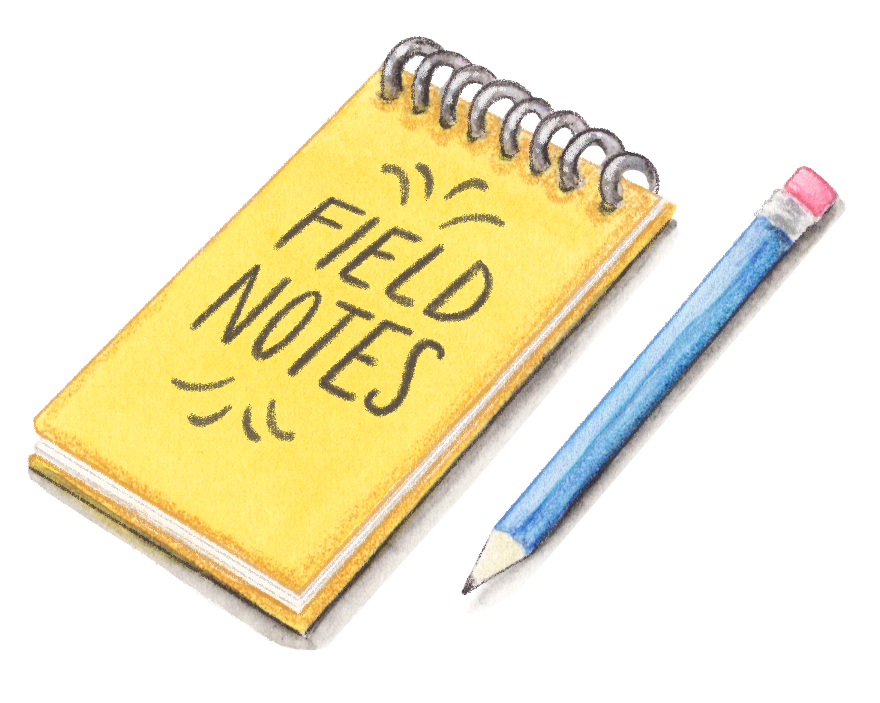
There is just a light difference between the two illustrations but just enough for the image to pop.
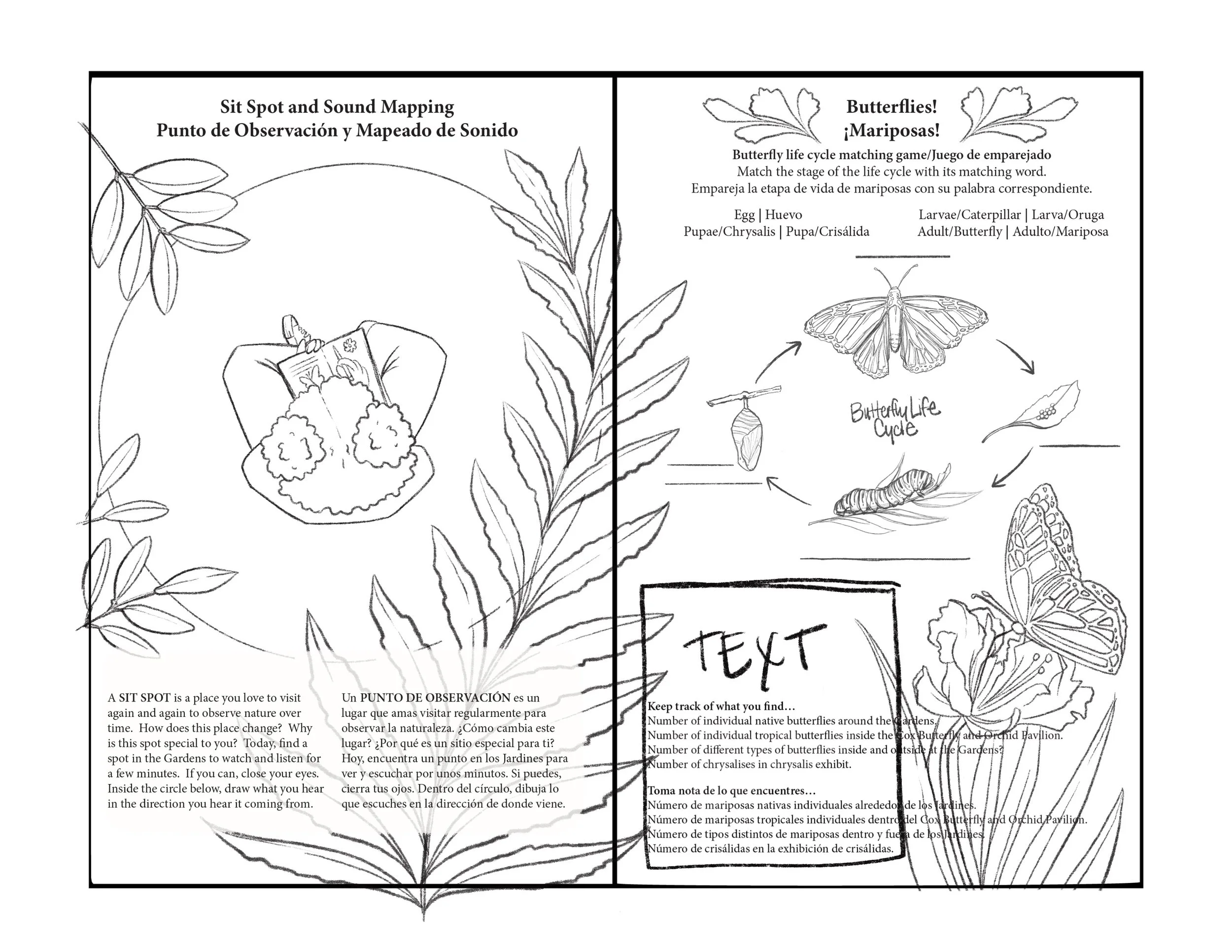
Examples of where it started and how it ended with selected page spreads.
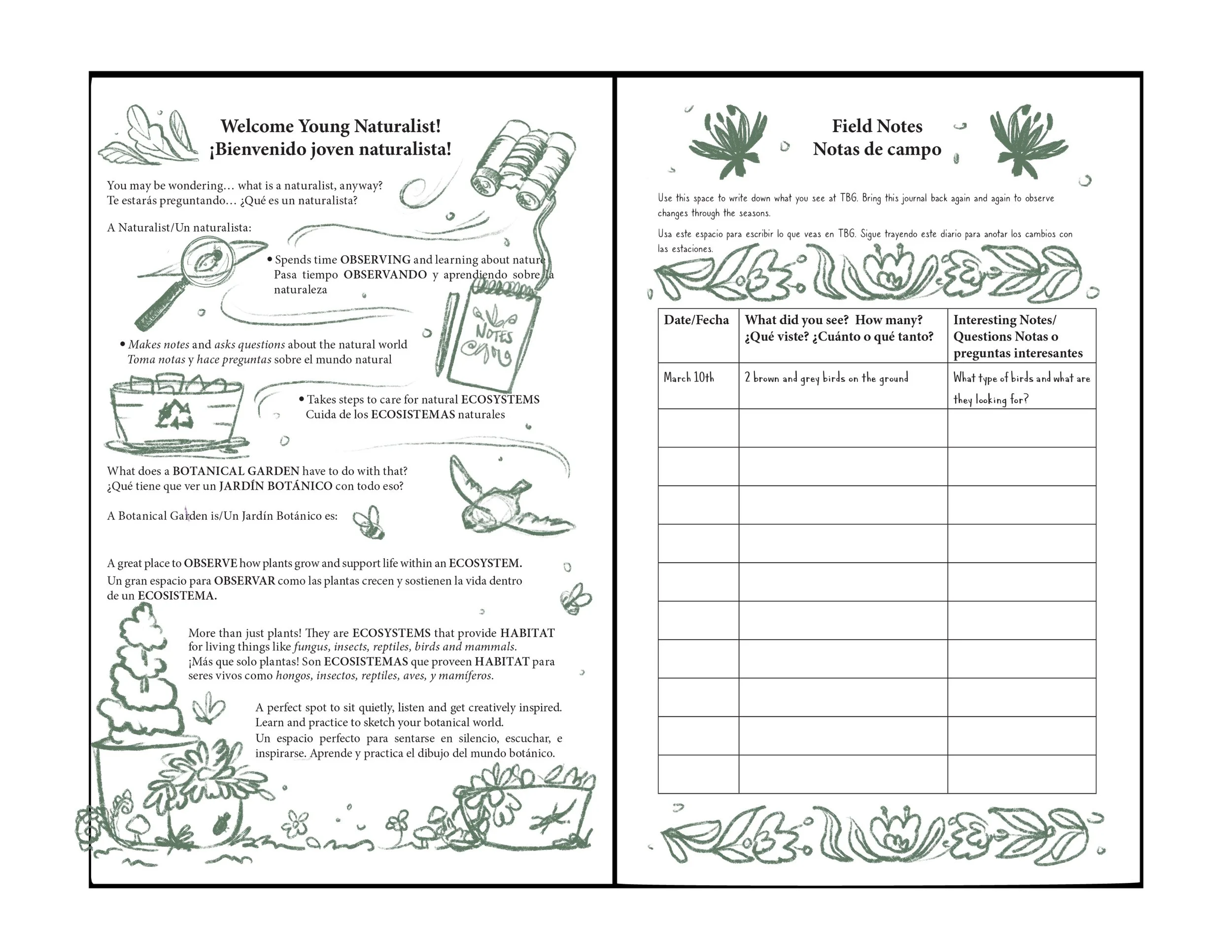
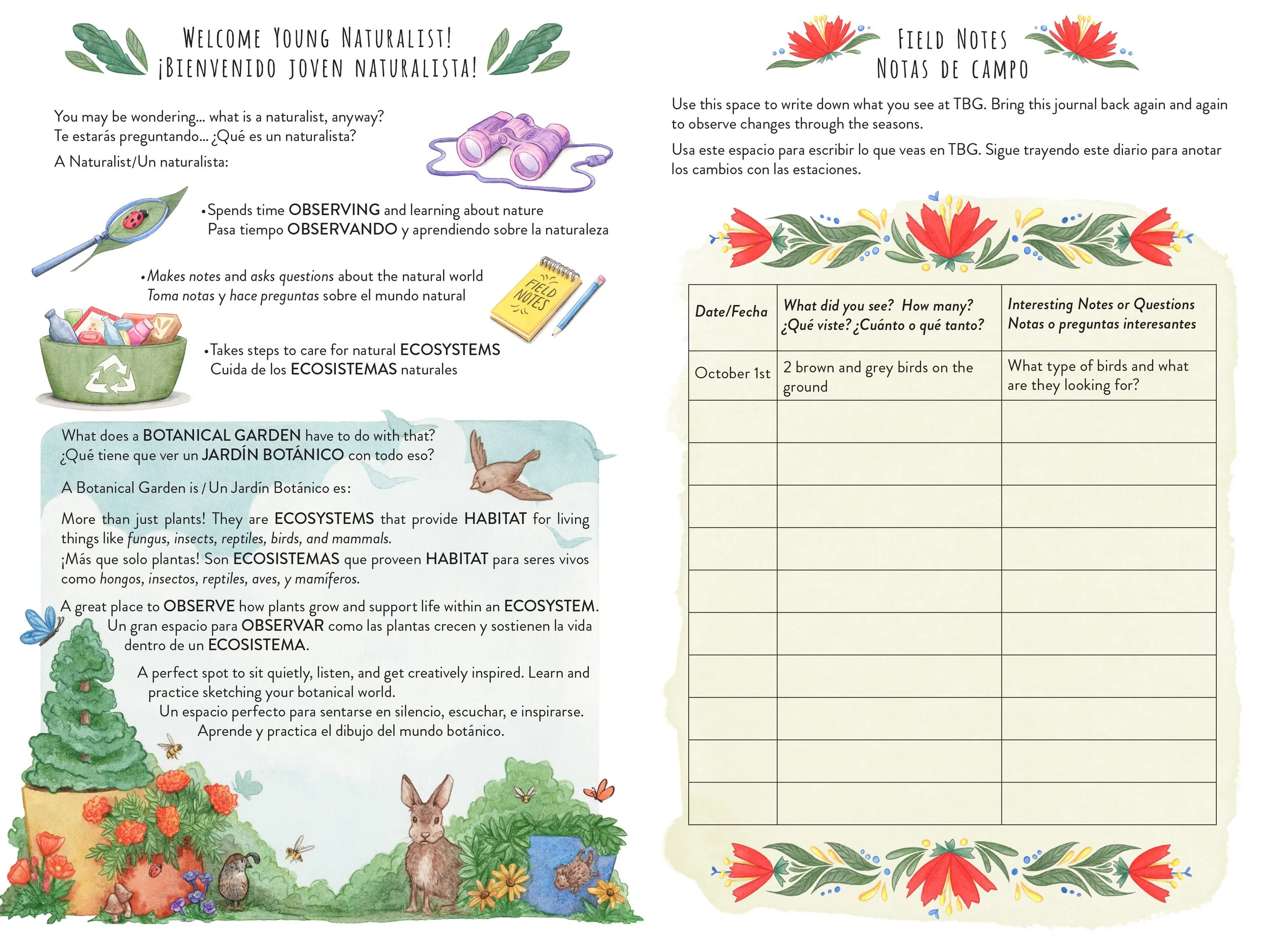
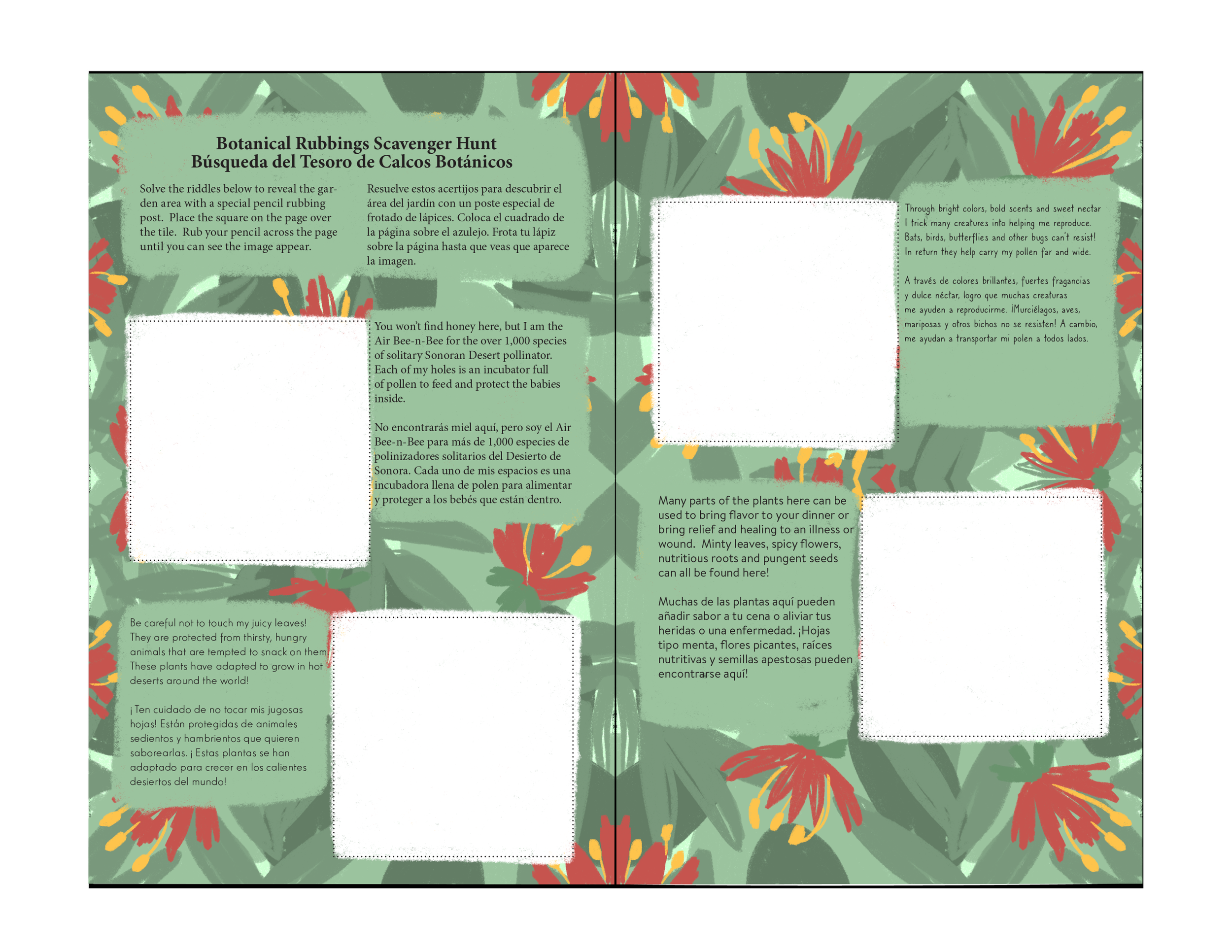
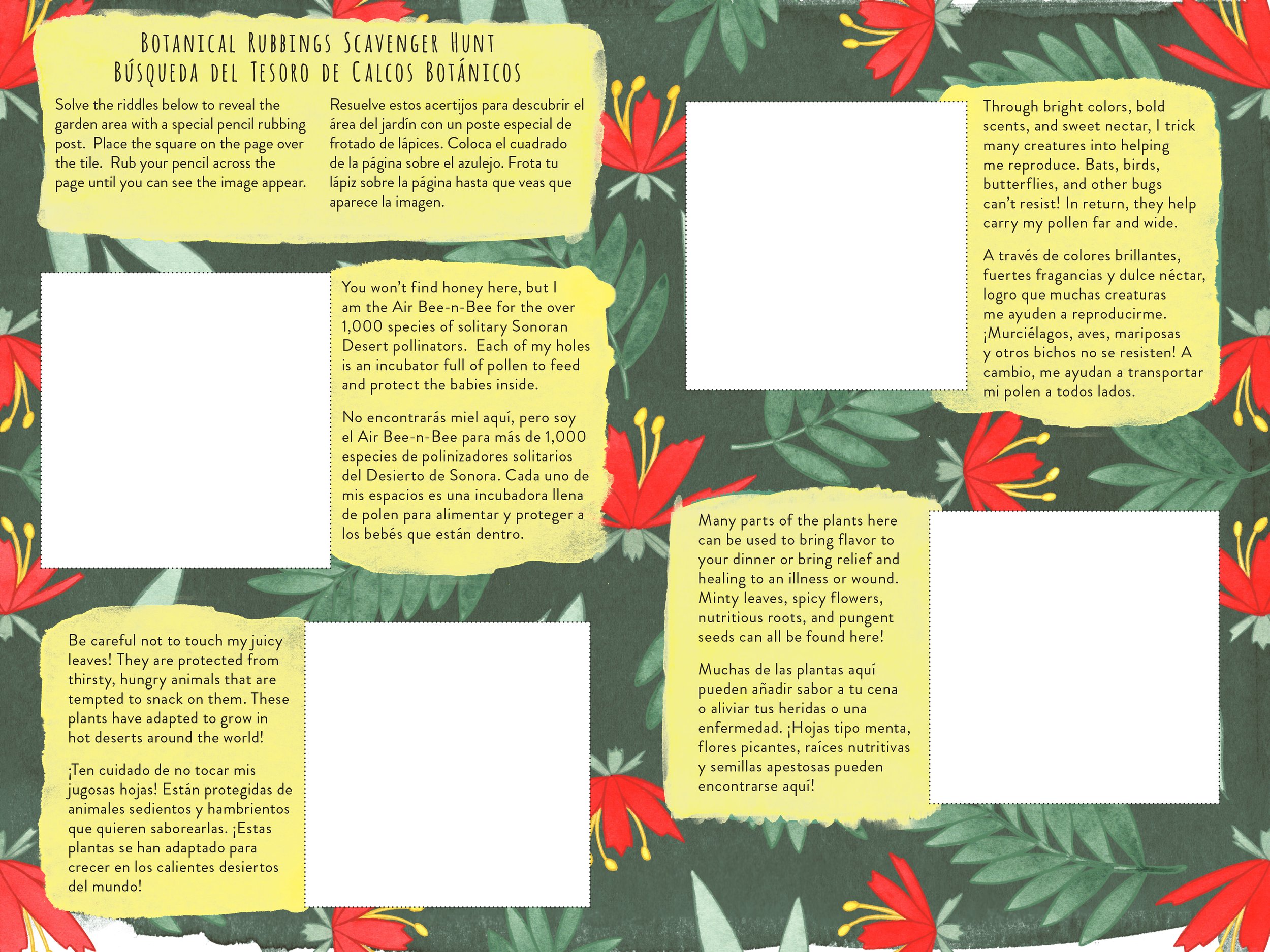
BUT what about the cover and map?! Yes, these are included in the final PDF but since the work for these two was much more than I had anticipated I thought I’d have a separate section for them. Scroll down for detail on the Cover and Map.
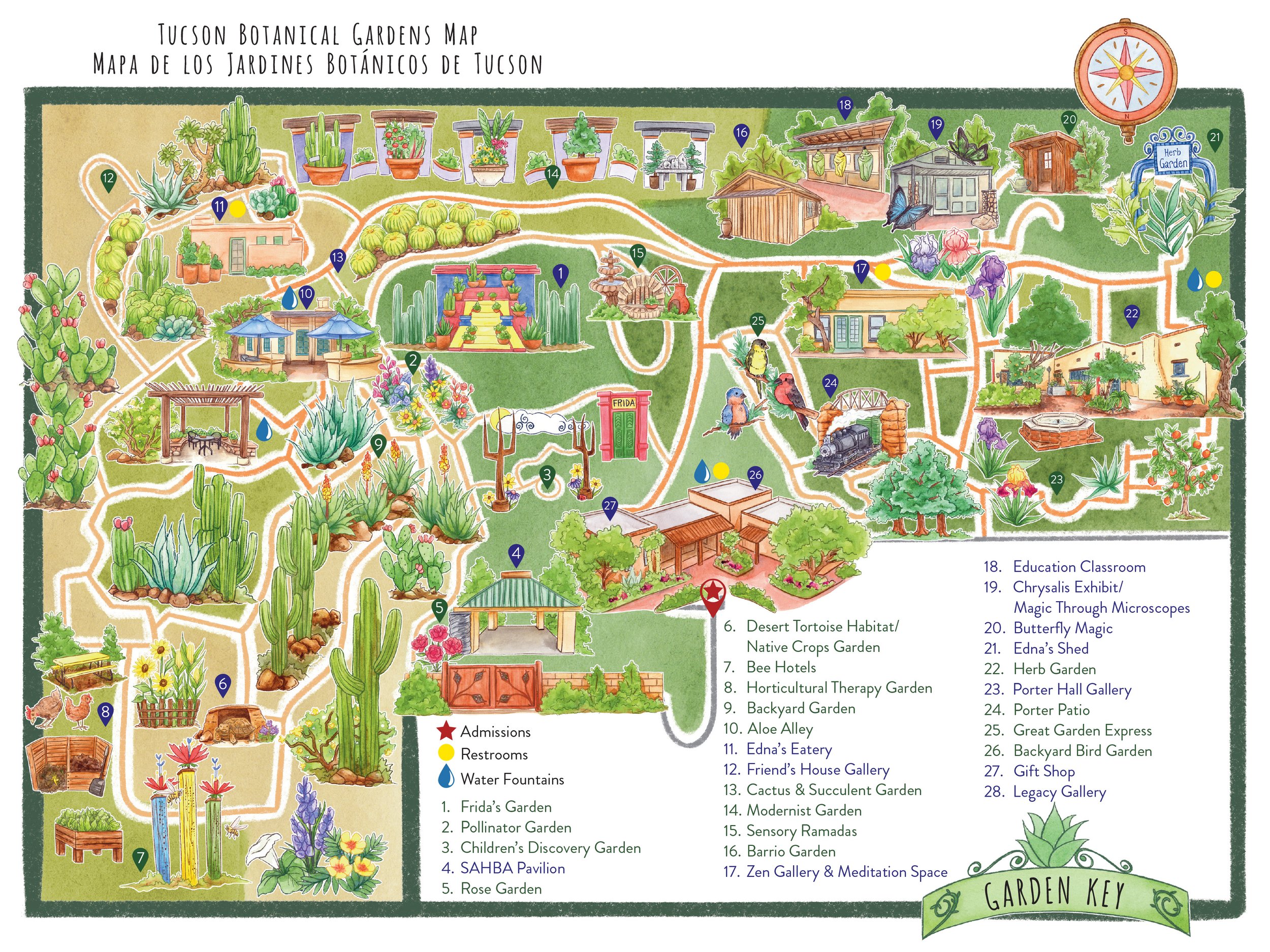
Map Illustration
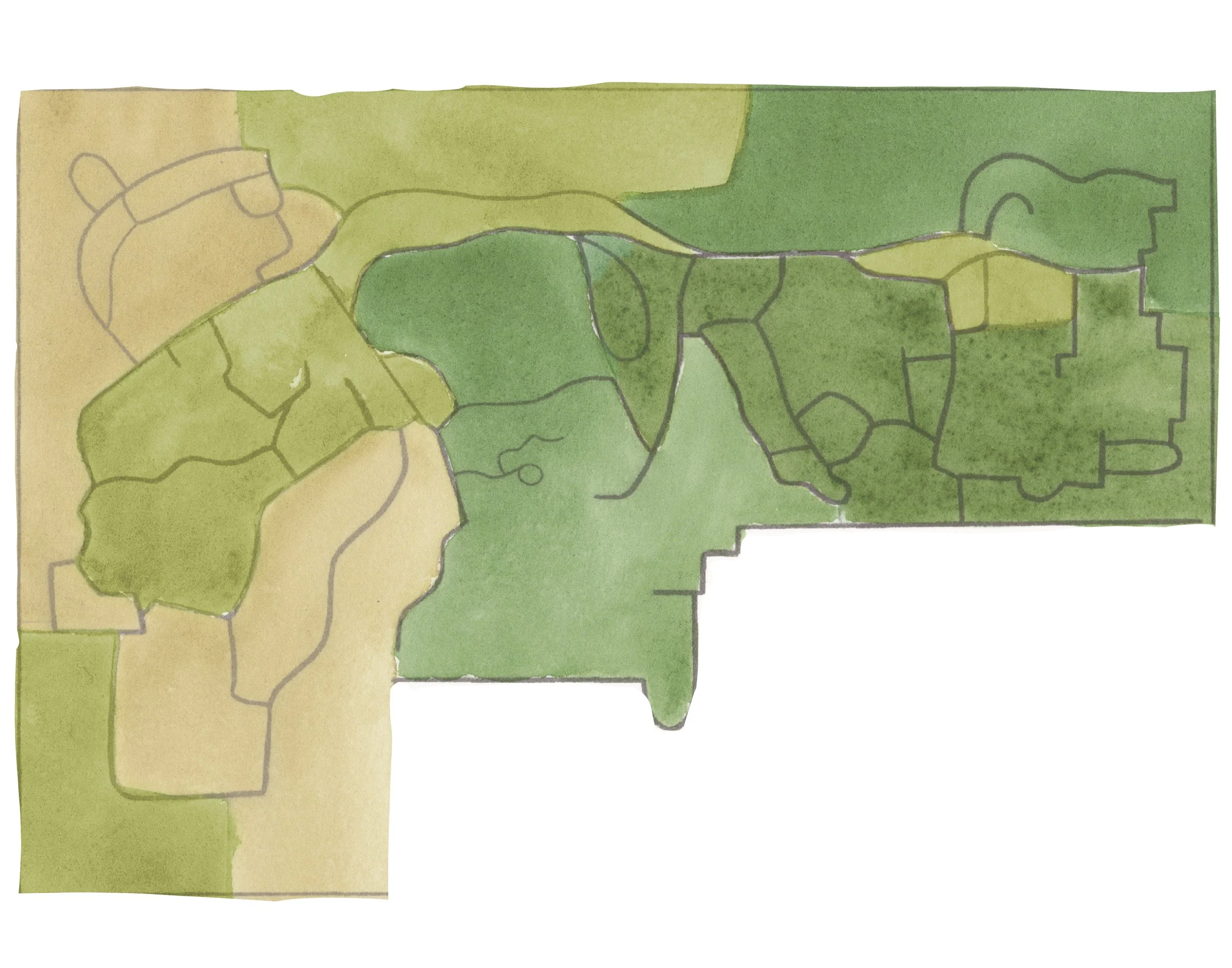
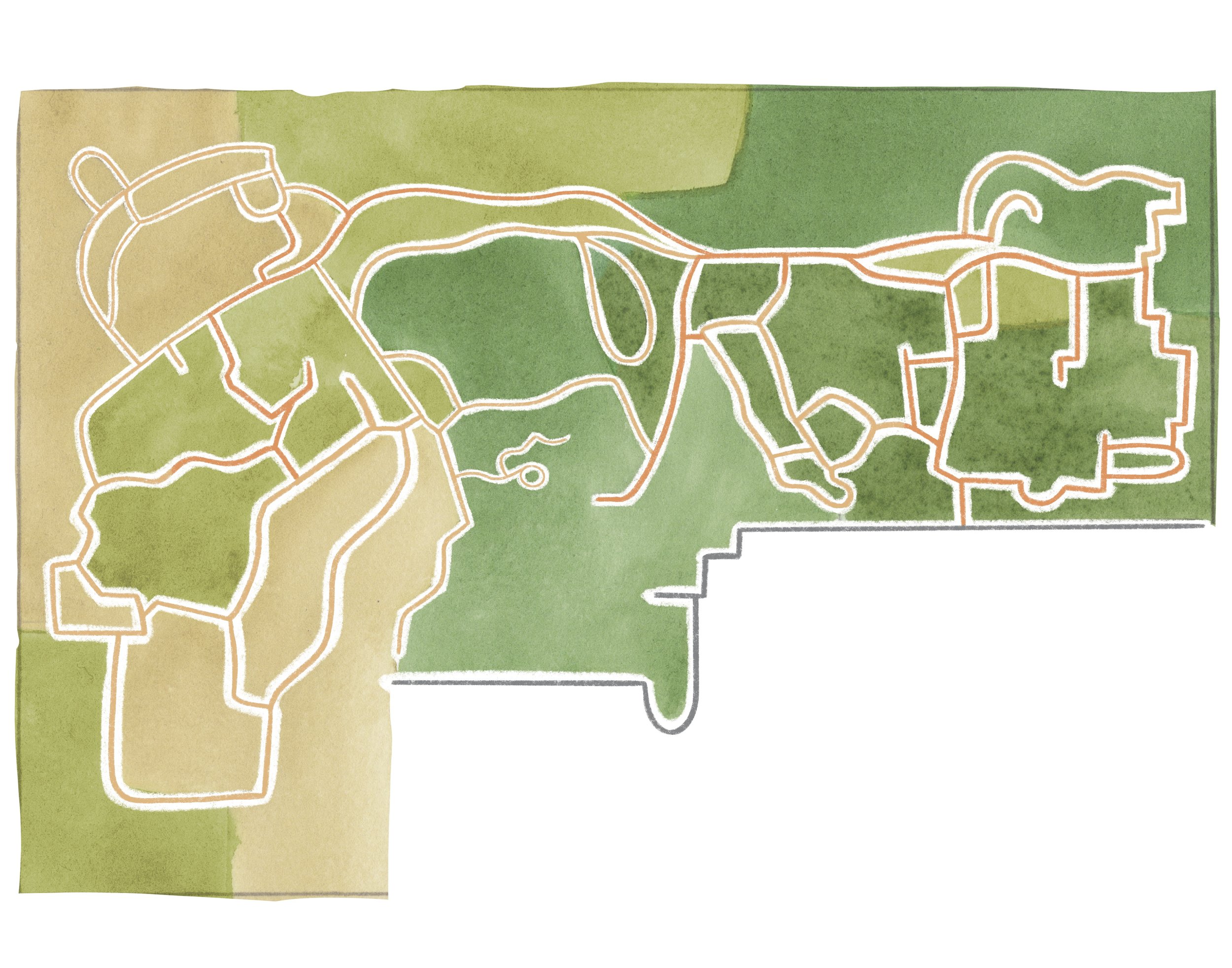
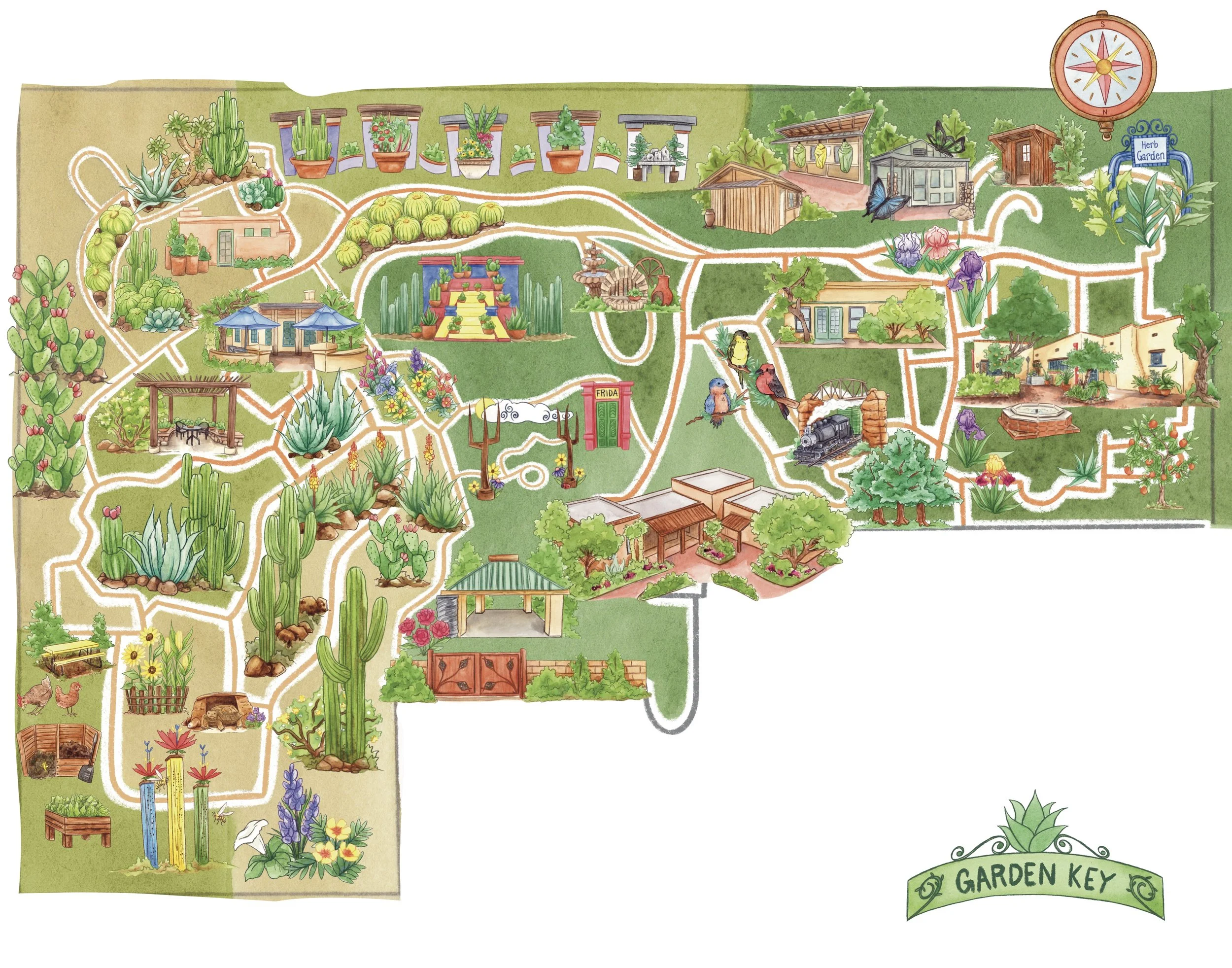
As it all starts with thumbnail sketches, the map was the most difficult for me to develop as it was my first ever map illustration! Whew! After a lot of research and study drawings I was able to digitally put together some rough drafts for the TBG team. The debate for rendering was to keep it digital or traditionally watercolor it. We decided on both.
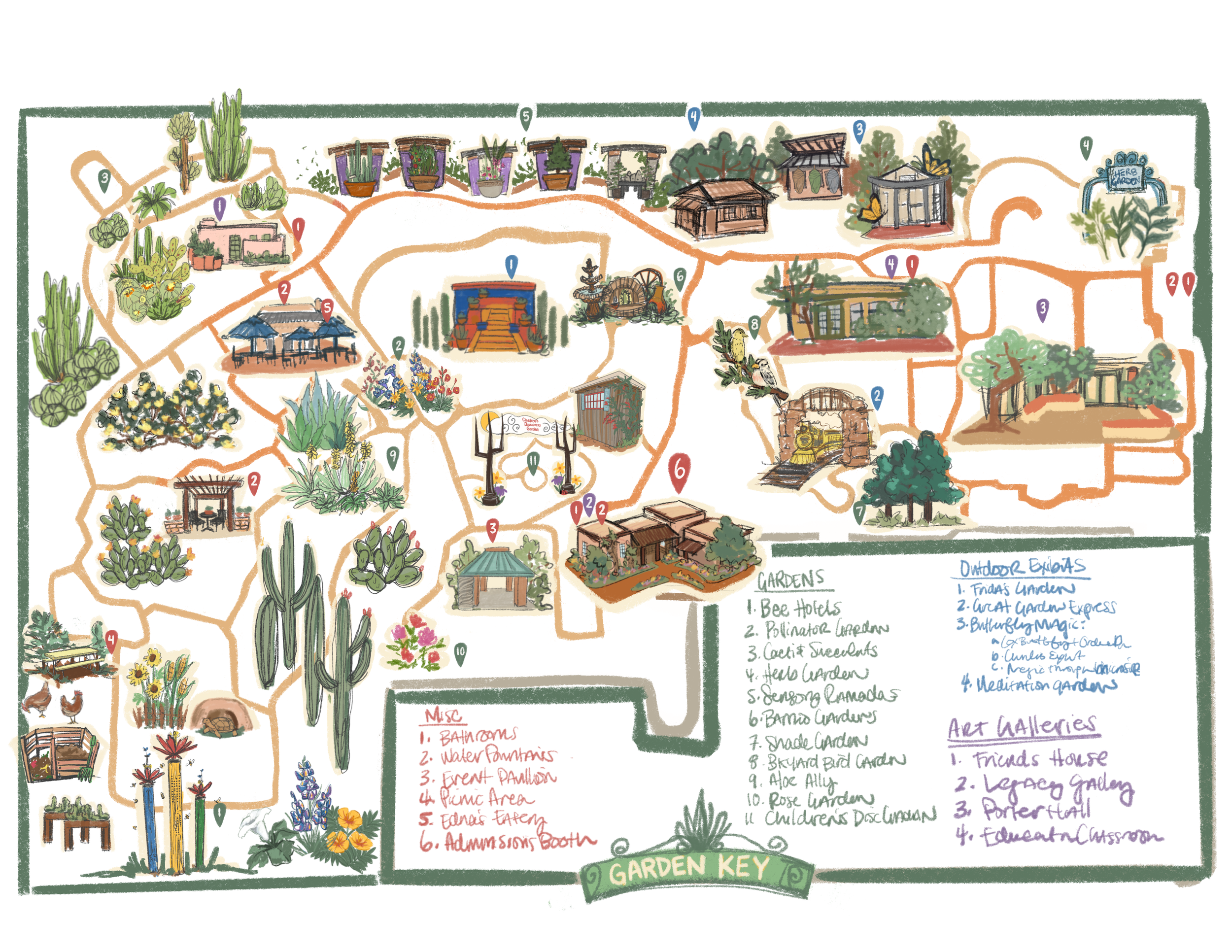
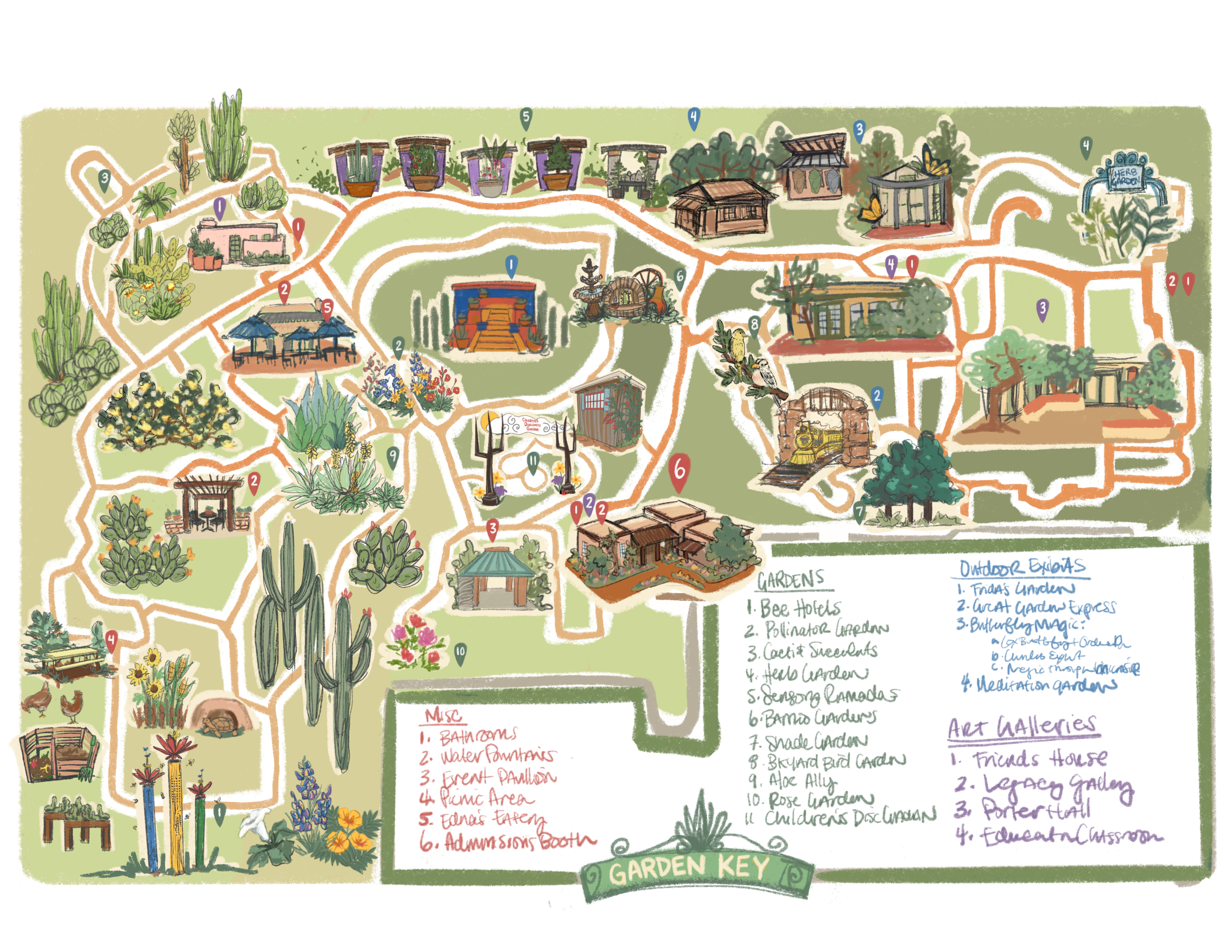
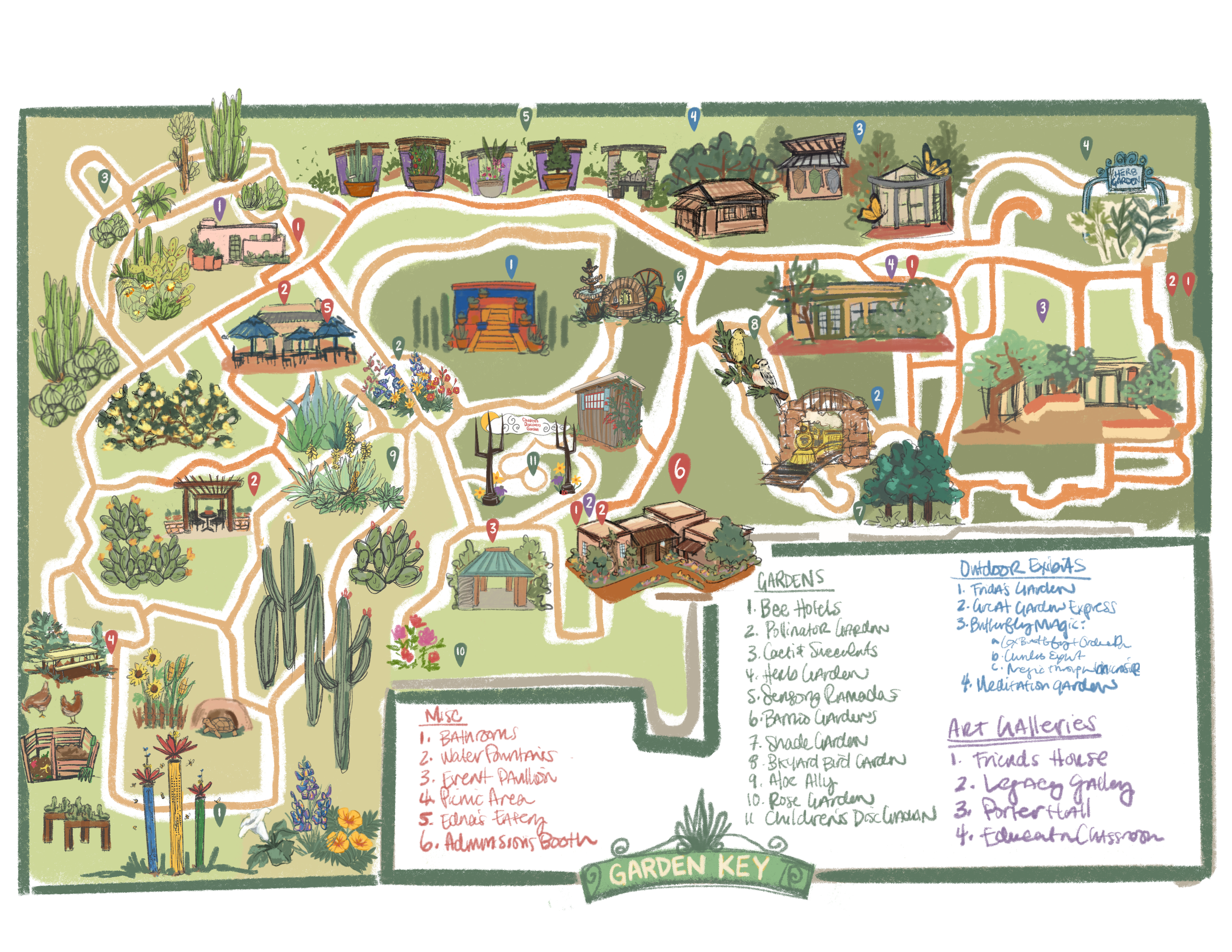
Think of it as a layering puzzle. First layer being the background, then trails, then illustrations, and finally the Key. All the spot illustrations were watercolored separately, scanned and then digitally finished just like the rest of the booklet.
Cover Illustration
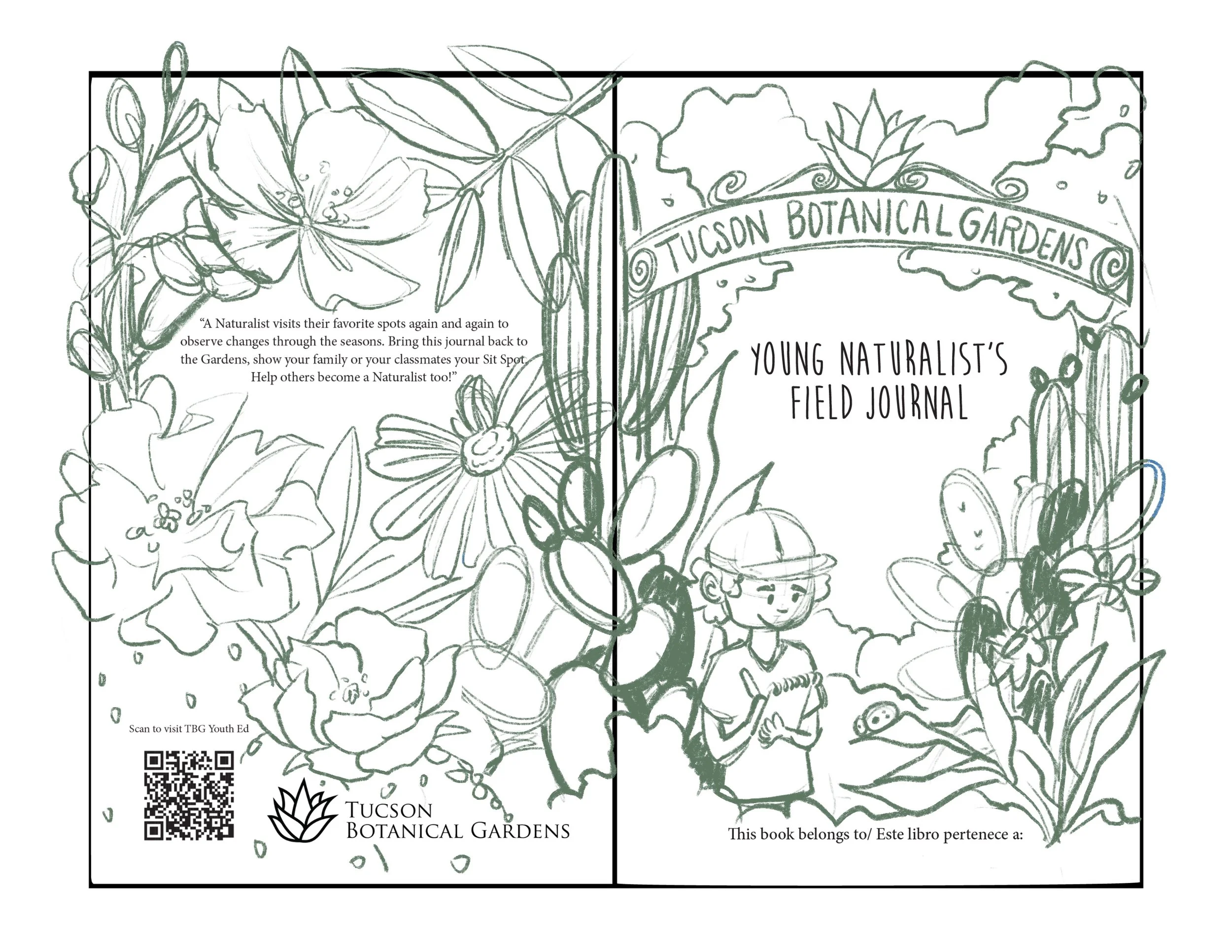
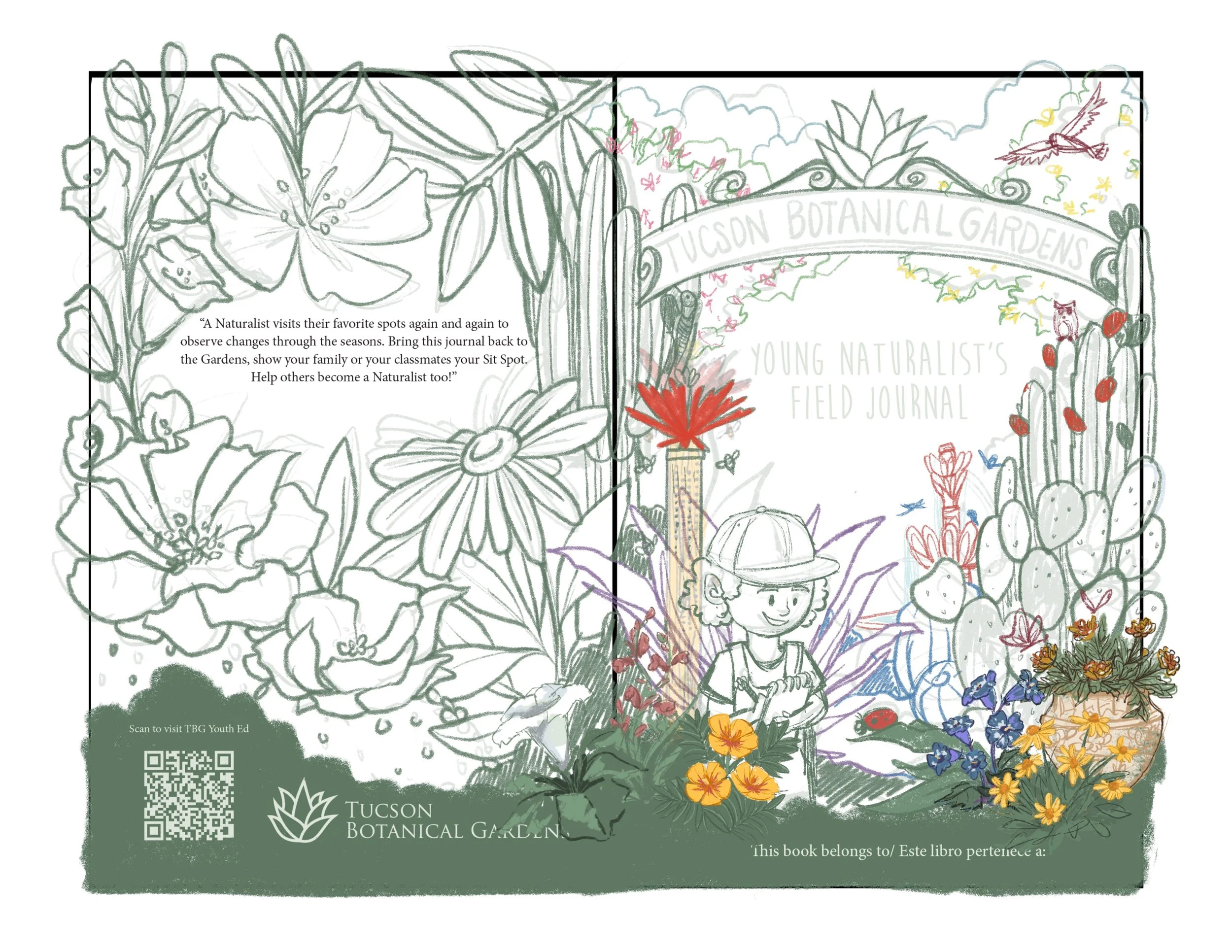
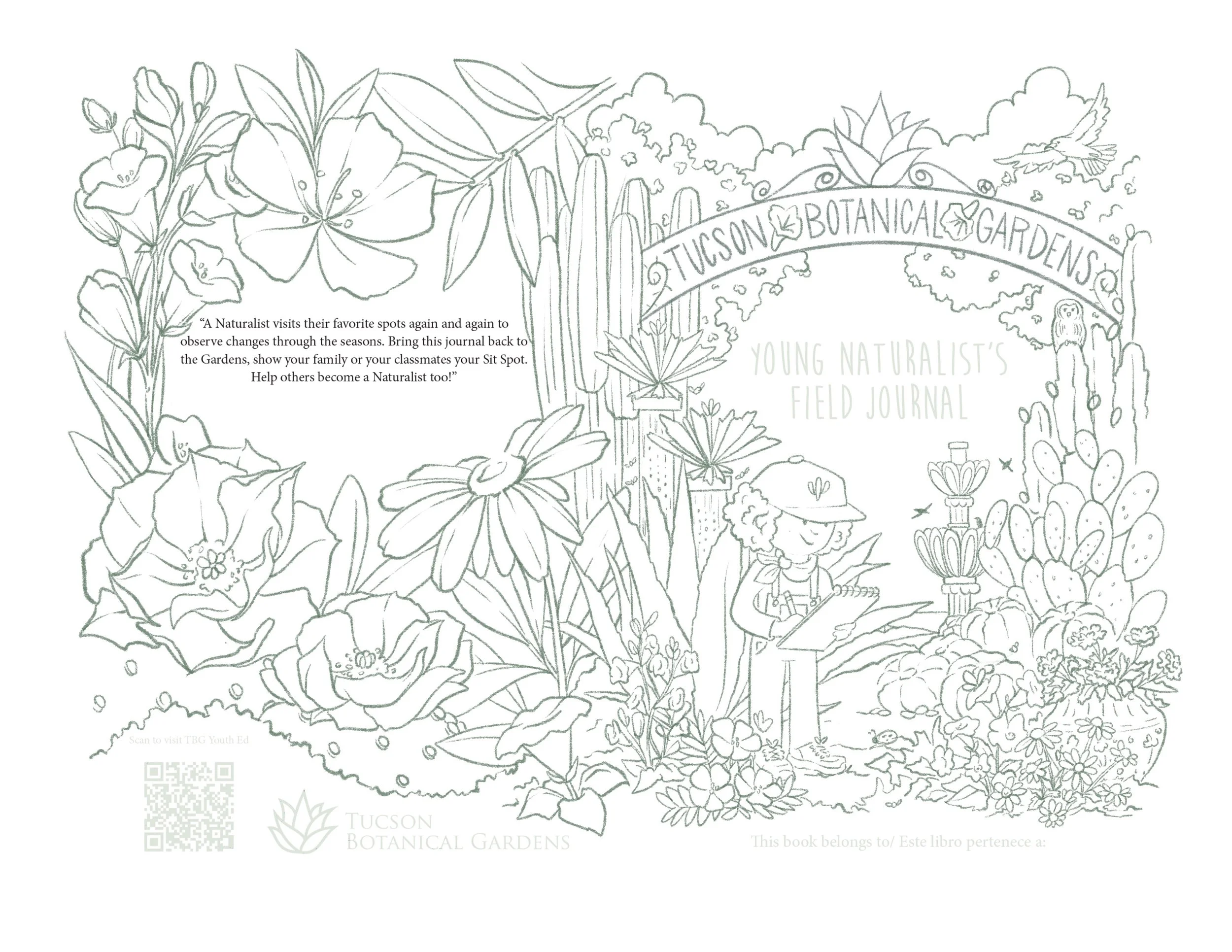
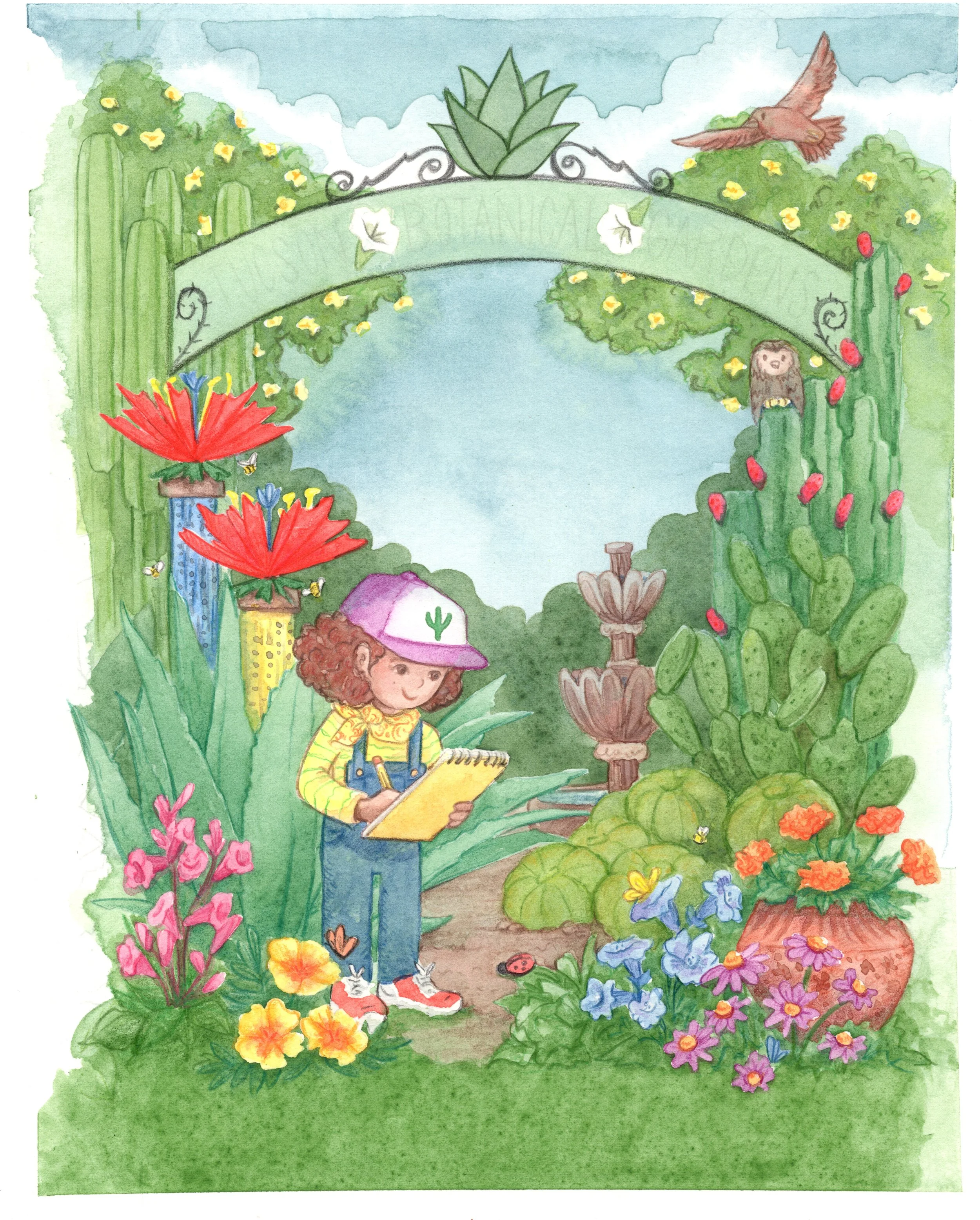
Funny enough, there were many more drafts than shown below; these are the ones that made it through the phases. The sketches were done in Procreate because it was faster to edit and redraw. Once the illustration was finalized, I transferred the design to watercolor paper, painted it, and then completed the piece digitally in Procreate.
When a project wraps, the ending often feels surreal and a little melancholy — a reminder that the collaboration has come to a close. At the same time I feel humbled, proud, and excited to see the finished result. I also like to follow up with clients, many of whom become friends, to hear how the work is being received; those conversations are always rewarding. This project was a bit different: there was space to extend the work beyond the booklet into items like stickers and t-shirts. Photos of those will be coming soon.
You can pick up a copy while visiting TBG or view the digital version.